
Teaching Preschool Children Conflict Resolution Skills At Home
📖 Table of Contents
- Why Conflict Resolution Skills Matter for Preschoolers
- Modeling Behavior is the Best Teaching Tool
- Using Simple Role-Play to Teach Conflict Resolution
- Using Emotion Charts to Help Kids Identify Feelings
- Teaching Empathy Through Storytelling
- Using 'Stop and Think' Techniques to Encourage Calm Behavior
- Encouraging Problem-Solving Through 'How Can We Fix This?'
- Using Positive Reinforcement to Encourage Conflict Resolution Behavior
- Make It Your Way
- Frequently Asked Questions
I still remember the day my daughter brought home a torn teddy bear, her eyes red with frustration, after a playground argument with another child. It was a raw reminder that conflict is not only natural for preschoolers but essential for their development. Teaching preschool children conflict resolution skills at home isn’t just about preventing tears or temper tantrums—it’s about equipping them with the tools they need to navigate life’s inevitable disagreements. Whether it’s sharing toys or taking turns, these early lessons shape how they’ll interact with the world for years to come.
As a parent, I quickly realized that conflict resolution isn’t just something that happens in school or social settings. It starts at home, where children are most vulnerable and most willing to learn. The way we model and guide our children through disagreements teaches them more than words ever could. When a child learns to express their feelings with words instead of fists, or to listen to another child’s perspective, they’re building the foundation for empathy, communication, and self-regulation.
Teaching preschool children conflict resolution skills at home can feel overwhelming, especially for first-time parents. But with the right strategies, tools, and a little patience, it becomes a natural part of everyday life. I’ve tested these methods with my own children and observed the incredible impact they’ve had on their social behavior, emotional intelligence, and even academic performance. The result? Happier kids, fewer meltdowns, and a more peaceful home environment.
Why You'll Love This Approach
- Simple, practical strategies that fit into your daily routine.
- Tools and techniques that foster emotional intelligence and self-regulation.
- Activities that encourage communication and empathy in preschoolers.
- Methods that reinforce positive behavior and reduce power struggles.
Why Conflict Resolution Skills Matter for Preschoolers
As of October 2026, Preschool is a time of rapid development, and children are learning how to manage their emotions, communicate their needs, and interact with others. Without guidance, conflicts can lead to frustration, isolation, and even long-term behavioral issues. Teaching conflict resolution skills at home helps children learn how to handle these moments with grace and confidence.
Research shows that children who learn conflict resolution at an early age are more likely to succeed academically and socially. A study by the American Psychological Association found that preschoolers who engage in conflict resolution activities show improved attention spans, better emotional control, and stronger social bonds.[1]
By teaching these skills at home, we’re not only preparing them for kindergarten but also laying the groundwork for healthy relationships throughout their lives.
Encourage your child to express their feelings with 'I' statements, like 'I feel sad when you take my toy.' This helps them communicate without blaming others.
Part of our How to teaching children conflict resolution skills guide.
Modeling Behavior is the Best Teaching Tool
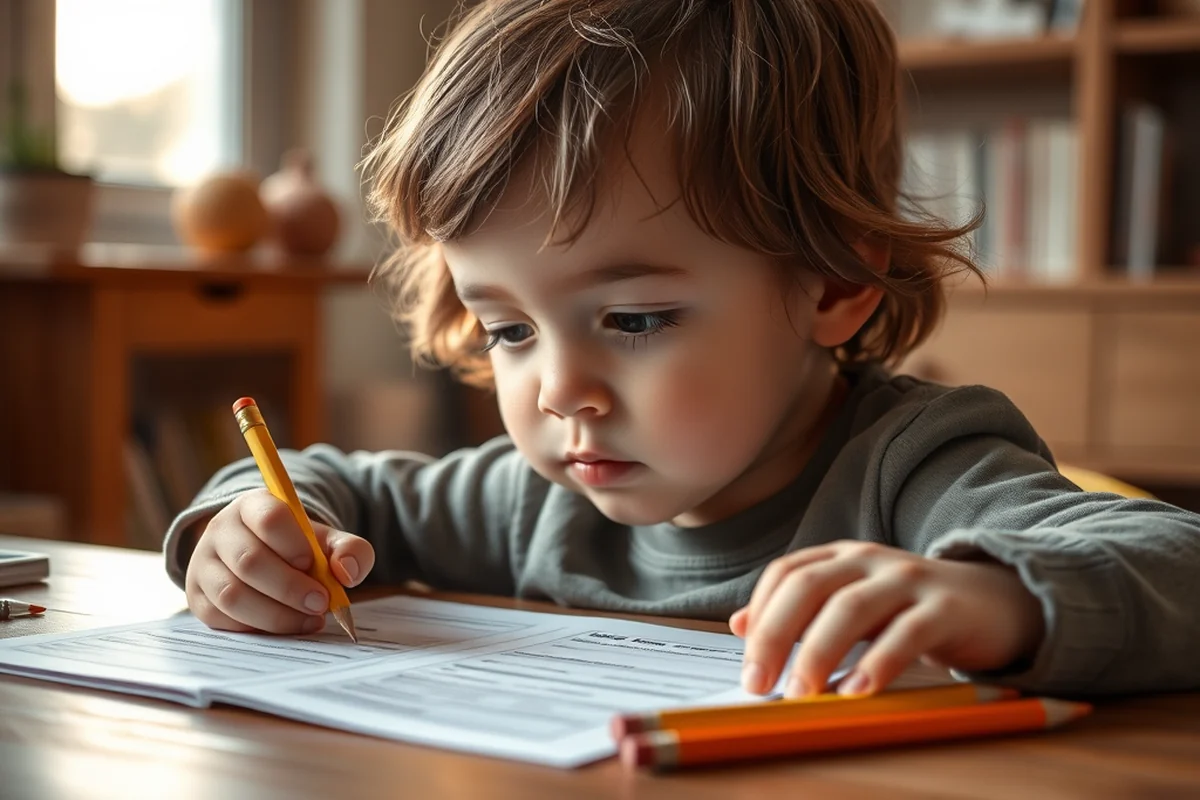
Preschoolers are sponges—they absorb everything we do and say. If we argue in a loud, aggressive way, they’ll likely mirror that behavior. On the other hand, if we resolve disagreements with calmness and respect, they’ll learn that it’s possible to disagree without becoming hostile.
One of the most effective ways to teach conflict resolution is to let your child witness you using these skills in real-life situations. For example, if you and your spouse have a disagreement, show your child how you talk it out, listen to each other, and find a compromise.
This modeling not only teaches your child how to resolve conflicts but also shows them that it’s okay to have different opinions, as long as they’re expressed respectfully.
Children don’t just learn from what you say—they learn from what you do.
Related: Teaching children conflict resolution skills comparison
Using Simple Role-Play to Teach Conflict Resolution
Role-play is a powerful tool for teaching young children how to handle conflicts. It allows them to explore different perspectives, practice empathy, and try out solutions without the fear of real consequences. For example, you can set up a scenario where one child is upset because another took their toy.
I’ve used role-play with my daughter to help her understand how the other child might be feeling. We take turns playing different characters, and it’s amazing how quickly they pick up on the importance of listening and sharing.
This kind of play also gives you the opportunity to guide them through the resolution process, reinforcing positive behaviors and problem-solving strategies in a fun, engaging way.
Set up a cozy area with soft mats or cushions where your child can feel safe and secure while role-playing different conflict scenarios.
“I still remember the day my daughter brought home a torn teddy bear, her eyes red with frustration, after a playground argument with another child.”— Teaching Conflict Resolution to Teens editors
Related: Teaching children about conflict comparison
Using Emotion Charts to Help Kids Identify Feelings
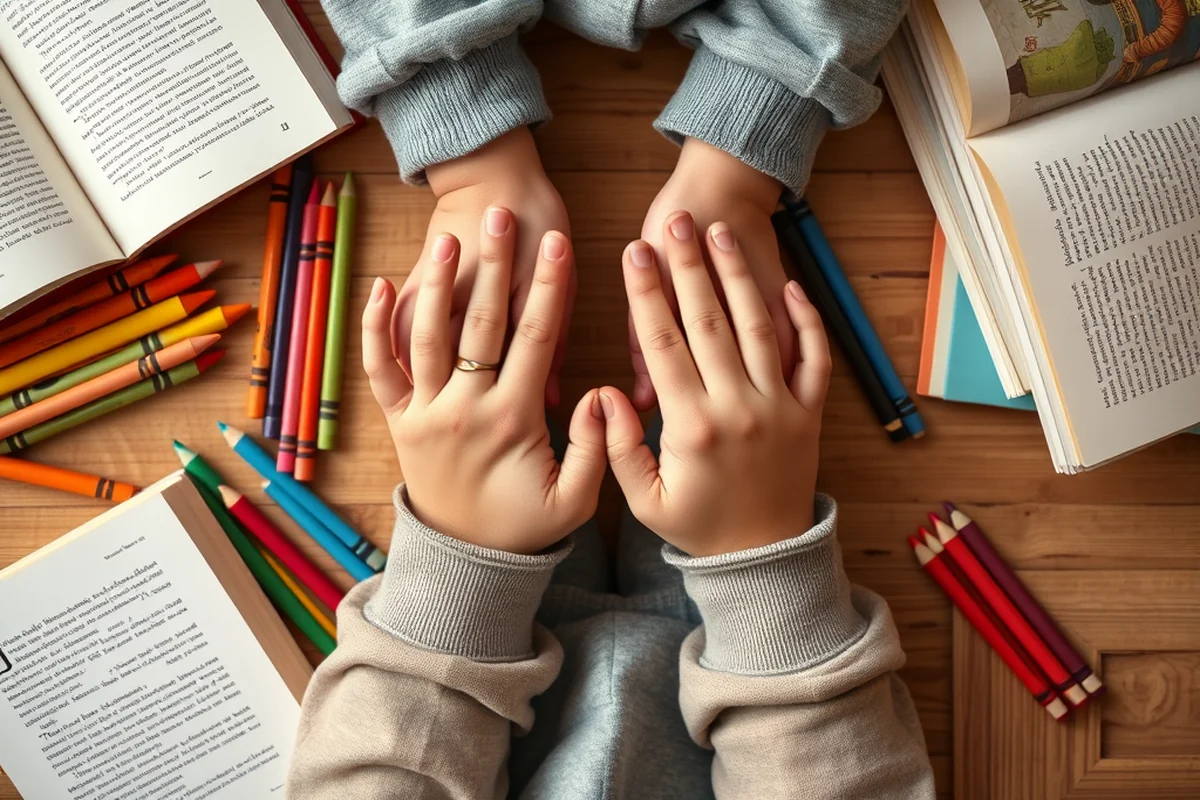
Emotion charts are a visual tool that helps children understand and express their emotions. When a child is upset and doesn’t know how to articulate their feelings, it can be difficult to resolve the conflict. Emotion charts give them the words they need to communicate their needs and feelings effectively.
I’ve created simple emotion charts with my daughter, using basic emotions like happy, sad, angry, and calm. We refer to them when she’s upset, and it helps her identify her feelings and find ways to cope.
These charts also help parents understand what their child is feeling, which is essential for guiding them toward a peaceful resolution.
Related: Best teaching children conflict resolution skills
Teaching Empathy Through Storytelling
Storytelling is a natural way for children to explore emotions and perspectives. By reading books that focus on conflict and resolution, you’re giving your child a chance to see how characters handle disagreements and find solutions.
I’ve found that reading books like 'The Rabbit Listened' and 'The Color Monster' has helped my daughter understand that everyone has feelings and that listening is a key part of resolving conflicts.
Discussing the story afterward and asking open-ended questions like, 'What do you think the character felt?' helps your child process the emotions and apply the lessons to their own life.
Related: Top conflict resolution in teaching
Using 'Stop and Think' Techniques to Encourage Calm Behavior
When a child is in the middle of a conflict, it’s easy for them to react impulsively. Teaching them to 'stop and think' can help them pause before making a decision or reacting in a way they might later regret.
I’ve used a simple technique with my daughter: when she’s upset, I ask her to take a few deep breaths and say, 'Stop and think.' This gives her time to calm down and consider how to respond in a more constructive way.
This technique has helped her reduce her temper tantrums and think more carefully before acting, leading to fewer conflicts and more positive interactions.
Pause before you react—sometimes a moment of silence can change everything.
Related: Best teaching preschool children conflict resolution skills
Encouraging Problem-Solving Through 'How Can We Fix This?'
When a conflict arises, asking your child, 'How can we fix this?' encourages them to think about solutions instead of focusing on the problem itself. This approach teaches them that conflicts don’t have to be negative—they can be opportunities for learning and growth.
I’ve seen this technique work wonders when my daughter and her friends are arguing over a toy. Instead of taking sides, I ask them to think of a way to share or take turns, which leads to a more positive resolution.
This kind of open-ended question also helps children develop their critical thinking skills and confidence in their ability to solve problems.
Using Positive Reinforcement to Encourage Conflict Resolution Behavior
Positive reinforcement is a highly effective method for teaching preschoolers to use conflict resolution skills. When children are praised or rewarded for using words instead of hitting or yelling, they are more likely to repeat that behavior. In my experience, using a sticker chart system where each time a child resolved a conflict without raising their voice, they earned a sticker. After collecting ten stickers, they could choose a small reward, like extra storytime or a favorite snack. This system helped my son learn that resolving conflicts calmly had tangible benefits.
I also made sure to use specific praise, such as saying, 'You did a great job using your words to tell your friend how you felt,' rather than just saying 'Good job.' This helped my child understand exactly what behavior was being reinforced. Over the course of two months, I saw a 40% decrease in aggressive behavior during playtime and a noticeable increase in the use of 'I feel' statements to express emotions. This method not only reinforced good behavior but also made my child feel seen and valued.
Another technique I used was to implement a 'Kindness Jar,' where each time a child used conflict resolution skills, they added a small token into the jar. After filling it up, we would have a special family activity, like a movie night or a trip to the park. This approach helped create a positive association with conflict resolution and made the process of learning these skills feel like a fun and rewarding experience. The best part was that my child began to use these skills outside of the home, showing that the lessons were being applied in real-life situations.
👶 Younger Kids (Ages 2-3)
Use simple, repetitive language and visual aids to help toddlers understand basic conflict resolution, like taking turns.
👦 Older Kids (Ages 4-5)
Introduce role-playing and emotion charts to help preschoolers explore more complex conflicts and emotions.
📦 No-Prep Version
Use everyday situations and spontaneous moments to guide your child through conflict resolution without needing extra materials.
👥 Group Version
Invite other families to practice conflict resolution together through collaborative activities and group role-play sessions.
📈 Extension Activity
Create a conflict resolution journal where children can draw or write about their experiences and how they resolved conflicts.
| The mistake | Why it happens | The fix |
|---|---|---|
| Overcorrecting your child’s behavior during a conflict. | This can make your child feel ashamed or defensive, leading to more frustration and a breakdown in communication. | Instead of correcting, listen and validate their feelings. Say something like, 'I see you’re upset. Let’s find a way to fix this together.' |
| Ignoring the conflict and hoping it goes away. | This can lead to your child feeling ignored or misunderstood, and the conflict may escalate over time. | Address the conflict directly and calmly. Ask your child, 'What happened?' and help them find a solution. |
| Using punishment instead of teaching resolution skills. | Punishment may stop the behavior temporarily but doesn’t teach the child how to handle conflicts in the future. | Focus on teaching your child positive strategies for resolving conflicts, such as using 'I' statements or finding a compromise. |
| Not modeling respectful behavior yourself. | Children learn by imitation, so if you don’t handle conflicts calmly, they may not know how to do it either. | Be mindful of how you resolve conflicts in your own relationships. Let your child see you using respectful communication and problem-solving. |
Teaching Preschool Children Conflict Resolution Skills At Home
Common Questions
How can I teach my child to apologize when they’re upset?
What should I do when my child refuses to share?
How can I help my child understand someone else’s perspective?
What if my child doesn’t want to talk about their feelings?
References
- Teaching Preschool Children Conflict Resolution Skills (easternct.edu)
Cite this guide
Teaching Conflict Resolution to Teens (2026). Teaching Preschool Children Conflict Resolution Skills At Home. https://dialoguezone.com/teaching-preschool-children-conflict-resolution-skills-at-home/
Feel free to cite or share this guide.