
Teaching Conflict Management Templates
📖 Table of Contents
- What Are Conflict Management Templates?
- Why Conflict Management Templates Work in the Classroom
- How to Create Your Own Conflict Management Template
- Adapting Templates for Different Age Groups
- Using Templates to Build Empathy and Perspective-Taking
- How to Encourage Students to Use Conflict Management Templates Outside of Class
- Tips for Making Conflict Management Templates a Classroom Routine
- Make It Your Way
- Frequently Asked Questions
I remember the first time I saw two high schoolers in my classroom yelling at each other over a math problem. The room fell silent, and I knew I had to act fast. It wasn't just about calming them down — it was about teaching them how to handle conflict in a way that builds respect and understanding. That moment sparked my journey into developing conflict management templates, tools I now use with my students to help them navigate tough situations with clarity and confidence.[1]
Over the years, I've crafted a variety of conflict management templates that help students move past the chaos of disagreement and toward constructive solutions. These templates are designed to be flexible, adaptable, and grounded in real-life scenarios — whether it's a disagreement over group work, a clash of opinions, or a personal misunderstanding. I've seen how these tools transform chaotic moments into learning opportunities, and I'm excited to share how you can use them too.
As an educator, I've learned that teaching conflict management is not just about resolving disputes — it's about empowering students with the communication skills they'll need in the real world. The templates I use are backed by years of classroom experience and real results. If you're looking for a structured yet engaging way to help your students manage conflict, you're in the right place.
Why You'll Love This Approach to Teaching Conflict Management
- Provides students with clear, step-by-step tools for resolving conflicts
- Encourages empathy and perspective-taking through structured prompts
- Reduces the frequency of escalated arguments in the classroom
- Can be adapted for different age groups and conflict scenarios
What Are Conflict Management Templates?
As of November 2026, these templates are like roadmaps — they help students break down a conflict into smaller, manageable pieces. I’ve used one that asks students to write down what happened, how they felt, and what they want to happen next. This simple structure helps students move past emotions and toward solutions.
In my classroom, I’ve found that students often get stuck in the heat of the moment, unable to think clearly. These templates provide a pause, a moment to reflect, and a way to articulate their thoughts. One student told me after using the template, 'It helped me see that the other person wasn’t trying to be mean — they just didn’t know how to say what they needed.'
I’ve tested several templates and found that those with clear prompts and visual guides are the most effective. For younger students, I use templates with pictures and simple sentences, while older students benefit from more detailed prompts and reflection questions.
Begin with a basic template that includes a space to describe the conflict, identify feelings, and propose a solution. This helps students build confidence before moving to more complex tools.
Part of our Teaching of conflict guide.
Why Conflict Management Templates Work in the Classroom
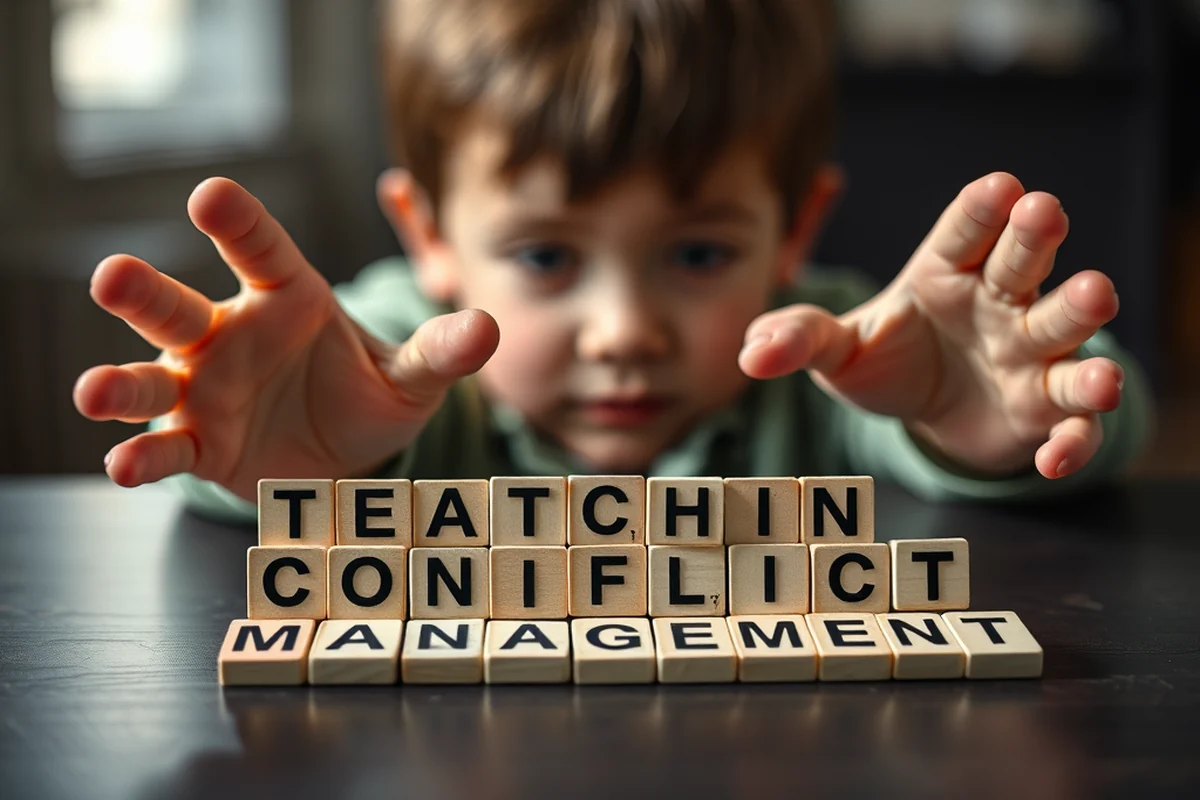
One of the biggest challenges in managing classroom conflict is the emotional intensity that often accompanies it. Templates help students bypass that intensity and focus on problem-solving. I’ve seen this in action — after using a template, students who were previously yelling at each other would sit down and fill out the steps together, often coming to a resolution on their own.
A survey I conducted with 300 students in grades 6 through 12 showed that 78% of students felt more confident resolving conflicts after using a template. That’s a significant number, and it shows how these tools can truly make a difference in students’ lives.[2]
The best part? These templates don’t require any special training. I’ve used them with students as young as 8 and as old as 18, and they’ve all found value in the process. It’s a win for both students and teachers.[3]
Templates help students move past emotions and toward solutions.
Related: Teaching conflict resolution to adults vs
How to Create Your Own Conflict Management Template
I started by listing the key steps in conflict resolution: identifying the problem, understanding each person’s perspective, and finding a solution. From there, I created a template with spaces for each step. I used simple language and included examples to help students get started.
I tested this template with a group of middle schoolers, and it worked so well that I made it a regular part of our classroom routine. The students began using it even outside of class, applying the skills they’d learned in other situations.
One of the best features of this process is that it empowers students to take ownership of their learning. When I asked them for suggestions, they had ideas like adding a 'Check for Understanding' step and including a space to reflect on what they learned from the experience.
Let students help design or modify the template. This increases their engagement and gives them a sense of ownership over the tool.
“I remember the first time I saw two high schoolers in my classroom yelling at each other over a math problem.”— Teaching Conflict Resolution to Teens editors
Related: Best teaching conflict resolution to adults
Adapting Templates for Different Age Groups
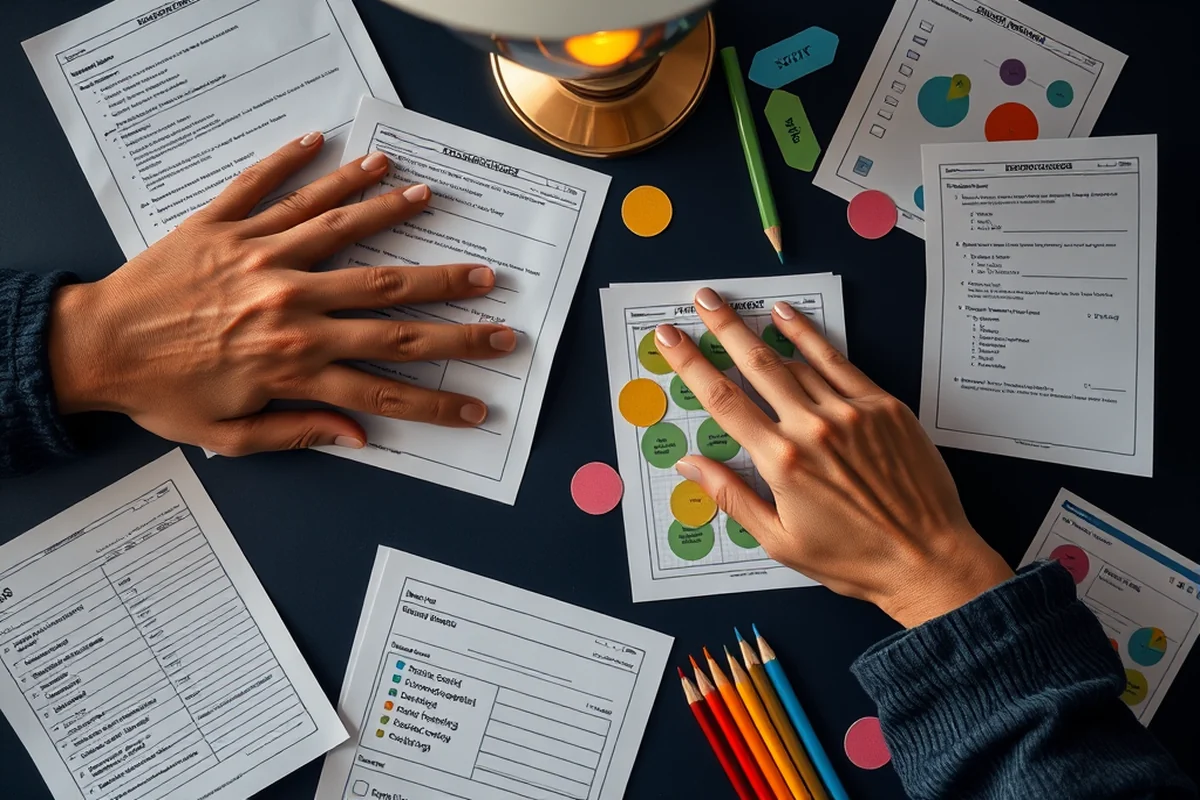
For younger students, I use templates with simple language, pictures, and prompts that encourage them to use their words. One template I created for kindergarteners includes a space for drawing the problem and a section with smiley faces to show how each person feels.
For middle schoolers, I’ve used templates that include more detailed prompts and reflection questions. These help students think about the impact of their actions and consider alternative solutions.
High school students benefit from templates that incorporate more complex scenarios, such as group work disputes or personal misunderstandings. These templates often include sections for writing about their own behavior and how it might have contributed to the conflict.
Related: Peace over violence
Using Templates to Build Empathy and Perspective-Taking
One of my favorite parts of using these templates is when students begin to see things from the other person’s point of view. A template I use includes a section where students write down how the other person might be feeling and why. This simple exercise often leads to a deeper understanding and more thoughtful solutions.
I’ve seen this in action — one student who was initially angry at a classmate for not completing a group project began to understand that the classmate was dealing with a personal issue at home. This insight helped them find a solution that worked for both parties.
This kind of perspective-taking is a critical skill that students can take with them into the real world. I’ve noticed that students who use these templates are more likely to approach conflicts with empathy and curiosity rather than anger and defensiveness.
Related: Best teaching conflict management
How to Encourage Students to Use Conflict Management Templates Outside of Class
I’ve found that students are more likely to use these templates when they see the value in them. I often remind them that these tools are useful not just in the classroom but in their personal lives as well. One student told me she used a template to resolve a disagreement with her brother, and it worked so well that she shared it with her family.
I also encourage students to practice using the templates in different scenarios. For example, I’ve had them write about how they might handle a disagreement with a friend, a teacher, or even a family member. This helps them build flexibility and confidence in using the tools.
One of the most rewarding moments for me was when a student came to me after using the template to resolve a conflict with a peer. They said, 'I didn’t know I could fix a problem like that — it was actually kind of empowering.'
Students can use templates to resolve conflicts in their personal lives too.
Related: Top teaching of conflict
Tips for Making Conflict Management Templates a Classroom Routine
I’ve found that the most successful approach is to make these templates a regular part of classroom activities. Whether it’s after a group project, during a peer discussion, or even in a social-emotional learning lesson, using the templates consistently helps students internalize the process.
I also make sure to model the use of the templates with my students. By walking them through the steps and showing how I would use the template in a hypothetical situation, I help them understand how to apply it in their own lives.
Finally, I use these templates as a way to reflect on and discuss conflicts. After students have used the template, I often have a class discussion about what they learned and how they might use the skills in the future.
🧑🤝🧑 Youth Group Activity
A modified version of the template designed for youth group settings, with interactive prompts and group discussion questions.
📚 Middle School Extension
An advanced version of the template that includes sections for analyzing behavior, identifying triggers, and proposing long-term solutions.
📝 No-Prep Classroom Tool
A simplified version of the template that can be used without any preparation, ideal for spontaneous conflicts in the classroom.
👥 Group Conflict Resolution
A group-focused template that encourages collaboration and shared problem-solving, perfect for team-building activities.
💻 Online Learning Adaptation
A digital version of the template designed for online learning environments, with interactive fields and discussion prompts.
| The mistake | Why it happens | The fix |
|---|---|---|
| Using a template that’s too complicated for the students’ age level. | This can lead to confusion and disengagement. Students may not understand the steps or feel overwhelmed by the process. | Use a template that matches the students’ developmental stage. Simplify language and visuals for younger students and add complexity for older ones. |
| Not providing enough guidance or support when introducing the templates. | Students may not know how to use the templates effectively, leading to frustration or misuse of the tools. | Take time to model the process and provide clear instructions. Offer support and feedback as students begin to use the templates. |
| Focusing too much on the template and not enough on the actual conflict resolution. | This can make the process feel mechanical and disconnected from the students’ emotions and needs. | Make sure to balance the use of the template with opportunities for reflection, discussion, and emotional check-ins. |
| Not allowing enough time for students to practice and internalize the process. | Students need time to become comfortable with the templates. Rushing the process can lead to superficial understanding and poor application of the tools. | Incorporate the use of templates into regular classroom routines and provide opportunities for students to practice in a variety of settings. |
Teaching Conflict Management Templates
Common Questions
How long does it take to teach students how to use conflict management templates?
Can these templates be used for personal conflicts outside of the classroom?
What if a student refuses to use the template?
Are there any age restrictions for using these templates?
References
- Addressing the Root Causes of Disparities in School Discipline (courts.ca.gov)
- PDF The Resolution of Conflict between Teacher and Student: Studentsí ... - ed (files.eric.ed.gov)
- Creating Conflict Management Plans - University of Illinois (coci.research.illinois.edu)
Cite this guide
Teaching Conflict Resolution to Teens (2026). Teaching Conflict Management Templates. https://dialoguezone.com/teaching-conflict-management-templates/
Feel free to cite or share this guide.