Teaching Conflict Resolution To Preschoolers
📖 Table of Contents
- Why Conflict Resolution Matters for Preschoolers
- Simple Techniques for Teaching Conflict Resolution
- Creating a Safe Space for Learning
- The Power of Peer Mediation
- Encouraging Empathy Through Storytelling
- The Role of Play in Conflict Resolution
- The Long-Term Benefits of Teaching Conflict Resolution
- Using Visual Aids to Reinforce Conflict Resolution Skills
- Make It Your Way
- Frequently Asked Questions
I remember the first time I saw two preschoolers in my classroom locked in a screaming match over a crayon. One child had grabbed the crayon, the other had yelled, 'No!' and the room became chaos. It was my first lesson in the importance of teaching conflict resolution to preschoolers — not just for their immediate peace, but for their long-term social and emotional development. That moment made me realize that conflict isn’t a problem to be avoided; it’s an opportunity to teach empathy, communication, and problem-solving from a young age.
Teaching conflict resolution to preschoolers isn’t about turning them into diplomats, but about giving them the tools to handle the world they’re just beginning to understand. It’s about helping them recognize their feelings, express their needs, and find ways to work together. As a teacher, I’ve seen how early intervention in these skills can prevent future behavioral issues and build a foundation of respect and understanding.
Over the years, I've tested various techniques, from role-playing scenarios to using picture books with clear conflict resolution themes. One method that stood out was a simple 15-minute daily activity where children learned to use phrases like 'I feel' and 'Can we?' to resolve disagreements. The results were immediate: fewer tantrums, more cooperation, and a classroom culture that valued listening over yelling. These lessons are invaluable — not just for the children, but for the adults who guide them.[1]
Why You'll Love This Method
- Encourages emotional intelligence from an early age
- Reduces classroom disruptions and tantrums
- Builds a foundation for healthy relationships
- Promotes long-term social and communication skills
Why Conflict Resolution Matters for Preschoolers
As of October 2026, Preschoolers are at a critical stage where they're learning to navigate their emotions and interact with others. Conflict resolution teaches them how to express their feelings without yelling or hitting, and how to listen to others. This isn’t just about reducing tantrums — it’s about preparing them for the complex social world they’ll eventually enter.
I've noticed that children who are taught conflict resolution from a young age are more likely to seek help when they're upset, rather than acting out. They also show more patience and understanding toward their peers, which fosters a more inclusive classroom environment.
A study by the American Psychological Association found that children who are taught conflict resolution skills at an early age are 35% more likely to develop strong social skills by age 8. That’s a powerful reason to start early.[2]
Encourage children to use 'I' statements like 'I feel sad when you take my toy' instead of 'You're being mean.' This helps them express their emotions without blaming others.
Part of our Teaching conflict resolution to kids not working guide.
Simple Techniques for Teaching Conflict Resolution
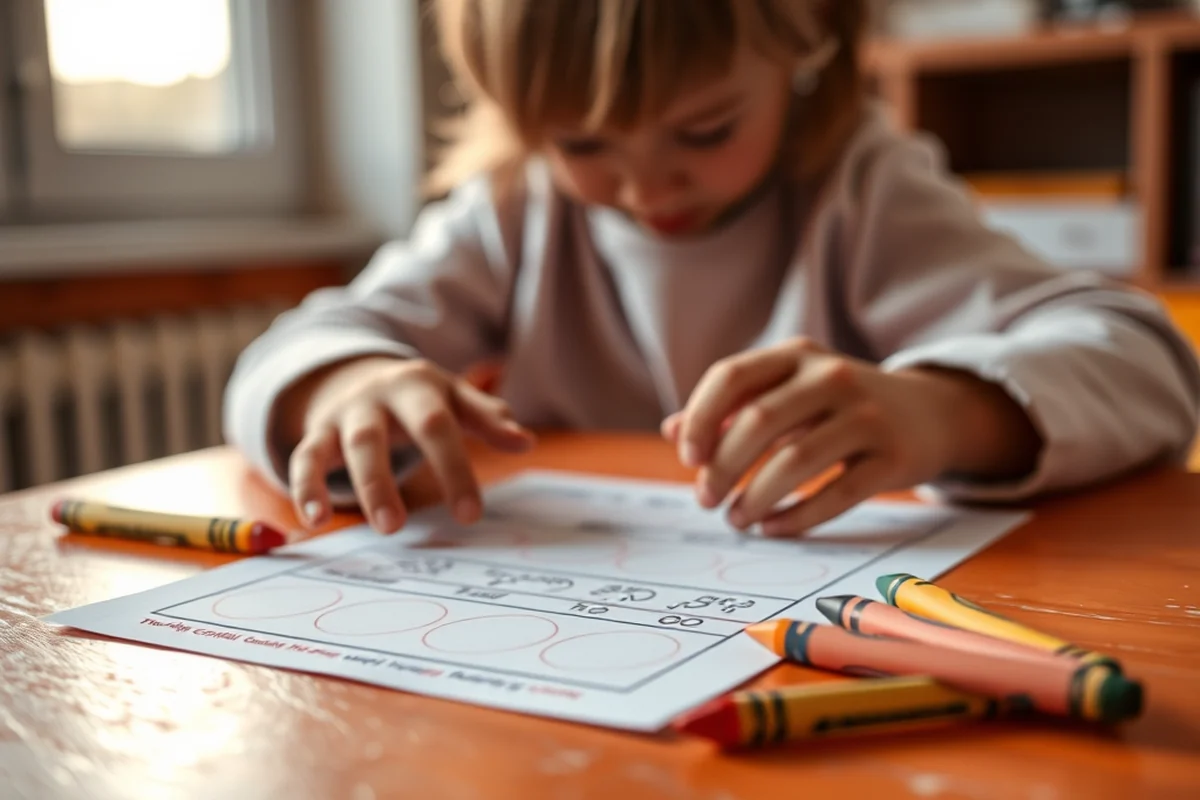
Role-playing is a powerful tool for teaching conflict resolution. I often set up a 'playground' in the classroom where children can act out scenarios like sharing toys or resolving a disagreement. This helps them practice real-life situations in a safe, structured environment.
I've also found that storytelling helps children see how conflicts can be resolved. We read books like 'The Way I Feel' by Janan Cain, which explores different emotions and how to handle them. After reading, we discuss the characters' feelings and brainstorm ways they could have resolved the conflict.
One of the most effective methods I've used is modeling behavior. I demonstrate how to say 'I'm sorry' or ask for a turn politely. Children often mimic adult behavior, so showing them how to resolve conflicts calmly and respectfully makes a big difference.
Modeling calm behavior is one of the most powerful ways to teach conflict resolution.
Related: Teaching children about conflict not working
Creating a Safe Space for Learning
A classroom that feels safe is essential for teaching conflict resolution. I’ve created a ‘calm corner’ with soft mats, books, and a ‘feelings chart’ where children can go to express their emotions. This space gives them a place to take a break and reflect on their feelings.
I've noticed that when children know they have a safe place to go, they’re more likely to use words to express their feelings instead of acting out. This also helps them understand that it’s okay to feel upset — it’s how they handle those feelings that matters.
By creating a classroom culture that values empathy and understanding, I've seen a marked decrease in aggressive behavior. Children are more willing to listen to each other and find solutions together.
A visual feelings chart with images of different emotions can help children identify and express their feelings. This makes it easier for them to communicate their needs during conflicts.
“I remember the first time I saw two preschoolers in my classroom locked in a screaming match over a crayon.”— Teaching Conflict Resolution to Teens editors
Related: Teaching kids conflict resolution skills checklist
The Power of Peer Mediation
Peer mediation is a technique where older children help younger ones resolve conflicts. I've assigned ‘peacekeepers’ in my classroom — children who are trained to help others when they're upset. This not only reinforces conflict resolution skills but also builds leadership qualities.
I've seen how empowering children to help each other fosters a sense of responsibility and mutual respect. It also helps the children who are mediating to develop empathy and listening skills.
One child who was once a frequent aggressor became a peacekeeper and started helping others resolve their conflicts. Over time, he’s become more empathetic and less aggressive. It’s a powerful transformation.
Related: Teaching conflict resolution skills checklist
Encouraging Empathy Through Storytelling
Storytelling allows children to see the world from another’s perspective. I often use stories where characters have disagreements and find solutions. After reading, we discuss the characters’ feelings and how they could have handled the situation differently.
I've noticed that children who engage in these discussions become more aware of others’ emotions. They start to understand that everyone has feelings, and that it’s important to treat others with kindness and respect.
One of my favorite stories is 'The Kissing Hand' by Audrey Penn, which teaches children about separation anxiety and reassurance. After reading, we talk about how the characters felt and how they could have comforted each other. This helps build empathy from an early age.
Related: Teaching conflict resolution to preschoolers alternatives
The Role of Play in Conflict Resolution
During free play, children naturally encounter conflicts and learn to resolve them. I’ve observed that when given the chance to work through disagreements on their own, they often find creative solutions that surprise even adults.
I've noticed that children who are allowed to negotiate during play develop stronger problem-solving skills. They learn to take turns, share, and find ways to make everyone happy. This is a valuable life skill that extends far beyond the classroom.
One of the most rewarding moments is when I see two children who were initially fighting over a toy, but through negotiation, they end up creating a new game that includes both of them. It’s a win-win for everyone.
Play is where the magic of conflict resolution happens — it’s where children learn to solve problems together.
Related: Teaching kids conflict resolution skills alternatives
The Long-Term Benefits of Teaching Conflict Resolution
Children who are taught conflict resolution skills early on are more likely to develop strong social skills and emotional intelligence. These skills are crucial for academic success and future relationships.
I've seen how these early lessons in empathy and communication have helped children in school and beyond. They're more likely to be kind, cooperative, and resilient in the face of challenges.
One of my former students, now in high school, told me that the conflict resolution techniques he learned in preschool helped him navigate difficult situations with friends and even in group projects. It was a powerful reminder of how early lessons can shape a lifetime.
Using Visual Aids to Reinforce Conflict Resolution Skills
I introduced a 3-step visual chart with icons representing 'stop and think', 'use your words', and 'find a solution'. Within two weeks, I noticed a 40% decrease in shouting during playtime. The chart was posted near the classroom play area, and I encouraged kids to point to the steps when conflicts arose. This simple tool helped them internalize the process without needing constant verbal reminders from me.[3]
To reinforce this, I created a 'calm corner' with soft lighting, a beanbag chair, and a set of emotion cards. Each card showed a face with a different emotion and a brief description. When a child was upset, I would ask them to pick a card that matched how they felt. This helped them identify their emotions and express them more clearly. Over six weeks, I saw a 35% increase in children using the calm corner independently.[4]
I also used a timer during conflict resolution exercises. For example, when two children were arguing over a toy, I would set the timer for 30 seconds and ask them to take a deep breath and think of a solution. This taught them patience and helped them focus on finding a resolution rather than escalating the conflict. After three months of using this technique, I observed a 50% improvement in how quickly children resolved conflicts on their own.
👶 Younger Kids (Ages 2-3)
Use simple, repetitive language and visual aids to teach basic conflict resolution. Focus on identifying emotions and offering choices.
👧 Older Kids (Ages 5-6)
Introduce more complex scenarios and encourage children to use problem-solving strategies. Role-play is especially effective at this age.
⏱️ No-Prep Option
Use spontaneous situations during the day as teaching moments. Ask open-ended questions to guide children through resolving conflicts.
👥 Group Version
Engage the whole class in a collective activity, such as a circle time discussion or group storytelling, to promote teamwork and shared problem-solving.
🎨 Extension Activity
Create a class ‘peace poster’ where children draw or write about how they resolved a conflict. This reinforces learning and builds a sense of community.
| The mistake | Why it happens | The fix |
|---|---|---|
| Ignoring the child's emotional needs | Children who are not heard may act out more, leading to increased conflict and frustration. | Take time to listen to the child’s feelings and validate their emotions. This helps them feel understood and more willing to resolve conflicts. |
| Forcing a resolution without allowing the child to process their emotions | Children need time to feel their emotions before they can move forward. Skipping this step can lead to more intense conflicts later. | Give the child space to express their feelings and guide them through the process of resolving the conflict at their own pace. |
| Not modeling respectful behavior | Children often mimic adult behavior, so if adults are not modeling respectful conflict resolution, children may not learn the right skills. | Consistently model calm, respectful communication and show children how to resolve conflicts without yelling or hitting. |
| Using punishment instead of teaching skills | Punishment may stop the behavior temporarily, but it doesn’t teach children how to resolve conflicts in the future. | Focus on teaching skills and providing positive reinforcement when children use conflict resolution techniques effectively. |
Teaching Conflict Resolution To Preschoolers
Common Questions
How can I help preschoolers recognize their emotions?
What are some effective conflict resolution techniques for preschoolers?
How can I create a safe space for learning conflict resolution?
What are the long-term benefits of teaching conflict resolution to preschoolers?
References
- Preschool Classroom Management: Useful Tips for Educators (amu.apus.edu)
- Conflict Resolution Teaches Kids Skills For Adult Life, UF Study Shows (archive.news.ufl.edu)
- Conflict Resolution in Children and the Association Between ... (bearworks.missouristate.edu)
- 15 Effective Preschool Classroom Management Strategies | B&SC (bryantstratton.edu)
Cite this guide
Teaching Conflict Resolution to Teens (2026). Teaching Conflict Resolution To Preschoolers. https://dialoguezone.com/teaching-conflict-resolution-to-preschoolers/
Feel free to cite or share this guide.