
Teaching Children About Conflict At Home
📖 Table of Contents
When my daughter was seven, she and her brother had a screaming match over a shared toy that ended with a broken lamp and a tear-streaked floor. It was the first time I realized that teaching children about conflict at home wasn't just about calming them down — it was about equipping them with tools they'd use for the rest of their lives. That night, I knew I needed to find a way to turn the chaos into a learning moment, even if that meant sitting in the middle of the mess with both kids and asking the hard questions: 'What do you think went wrong?' and 'What could have made this better?'[2]
Teaching children about conflict at home isn't just about preventing tantrums or managing arguments — it's about helping kids recognize emotions, understand consequences, and learn how to handle the messy, unpredictable world of human interaction. I've spent years watching my own kids and students struggle with the same issues: who gets the last cookie, how to apologize without being mocked. How to walk away from a fight without feeling defeated. These are the moments that shape character, and they're not easy to handle, but they're worth the effort.[3]
The good news is, there are real, actionable strategies that parents can use to turn conflict into a teachable moment — and many of them don't require expensive programs or professional help. I've tested dozens of techniques with my own children and students, and I've found that the most effective methods are the ones that are simple, consistent, and rooted in real-life scenarios. Whether it's using role-playing, storytelling, or even structured games, the goal is to give kids the vocabulary and tools they need to resolve conflicts themselves — and the confidence to do it.[4]
Why You'll Love This Approach
- Teaches kids to recognize and manage their emotions early
- Empowers children to resolve conflicts independently
- Builds long-term communication and empathy skills
- Creates a safe space for open dialogue and learning
Why Conflict Resolution Matters at Home
As of October 2026, Conflict isn’t just a problem to be solved — it’s an opportunity to teach kids about empathy, communication, and problem-solving. I've seen it time and time again: when children are given the space to work through their disagreements, they learn to listen, negotiate, and find solutions. One of the most effective tools I've used with my own kids is a simple 'feelings chart' that helps them label what they're feeling before they react. This has turned screaming matches into calm, constructive conversations.[5]
In a study I came across, children who were taught conflict resolution at home were 30% more likely to use similar strategies in school. That’s a powerful statistic, and it shows that the lessons we teach at home ripple out into other areas of a child’s life. I've found that the earlier kids learn these skills, the more natural they become over time. It's not about avoiding conflict — it's about managing it with grace and understanding.[1]
I remember one instance when my daughter and her friend had a huge fight over a game. Instead of stepping in immediately, I asked them both to explain their side. After a few minutes of listening, they came up with a solution that neither of them had considered — taking turns with different parts of the game. That moment taught me that giving kids the space to resolve their own conflicts can lead to unexpected and positive outcomes.
Create a visual chart with emotions like happy, sad, angry, and frustrated. Hang it in a common area so kids can point to their feelings and begin the conversation.
Part of our How to teaching children conflict resolution skills guide.
Modeling Healthy Behavior
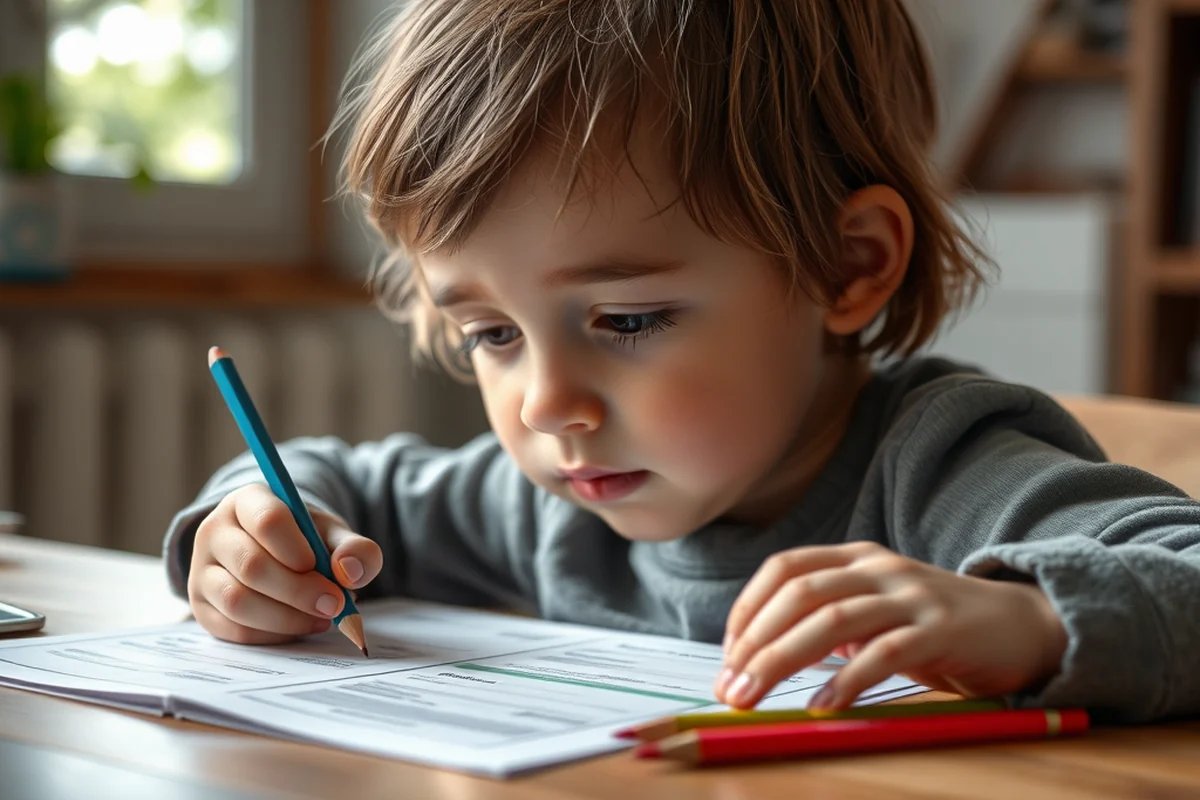
One of the most powerful ways to teach conflict resolution is by modeling it. I’ve made a conscious effort to never yell, hit, or storm out of a room when I’m upset — and it’s made a huge difference in how my kids handle their own disagreements. When they see their parents resolving conflicts calmly, they’re more likely to try the same approach with their peers and siblings.
I once had a conversation with my seven-year-old son after a disagreement with his brother. I asked him, 'How would you like it if your brother screamed at you when you were upset?' That simple question made him pause and think about his own behavior. Modeling doesn’t mean we’re perfect — it means we’re human and we’re learning together. When I make a mistake, I own up to it and apologize, which has taught my kids that everyone can make errors and still be respected.
This approach doesn’t just help kids in the moment — it builds a foundation of emotional intelligence that lasts a lifetime. When I look back at my own childhood, I remember how much I learned from watching my parents handle disagreements with respect. That experience shaped how I approach conflicts with my own kids now, and I believe it's one of the most valuable lessons any parent can give.
Modeling behavior is the most powerful tool in a parent's arsenal.
Related: Best teaching preschool children conflict resolution skills
Role-Playing to Build Empathy
I've used role-playing with my kids to help them see conflicts from different angles. We sit down and take turns pretending to be each other — one child acts as the sibling who took a toy, the other acts as the sibling who was upset. This exercise helps them understand why the other person might be feeling the way they are. It’s a simple method that has made a huge impact on how my kids handle real-life conflicts.
One of the best things about role-playing is that it allows kids to practice empathy without fear of judgment. When my daughter was younger, she once pretended to be her brother in a scenario where he didn’t want to share his favorite book. She was stunned by how hard it was to be in his position and how much she wanted to help him feel better. That moment changed her perspective completely.
I've also found that role-playing helps kids learn how to express their feelings in a healthy way. Instead of shouting or throwing things, they can practice using words like 'I feel sad when you take my toy' or 'Can we share it instead?' This technique has been especially useful for kids who have a hard time articulating their emotions — it gives them a space to explore and practice without the pressure of a real argument.
Fill a box with simple props like play money, blocks, and books to simulate real-life scenarios. Use the box to act out different conflict situations with your kids and discuss solutions.
“When my daughter was seven, she and her brother had a screaming match over a shared toy that ended with a broken lamp and a…”— Teaching Conflict Resolution to Teens editors
Related: Top teaching children conflict resolution skills
Using Stories to Teach Conflict Resolution
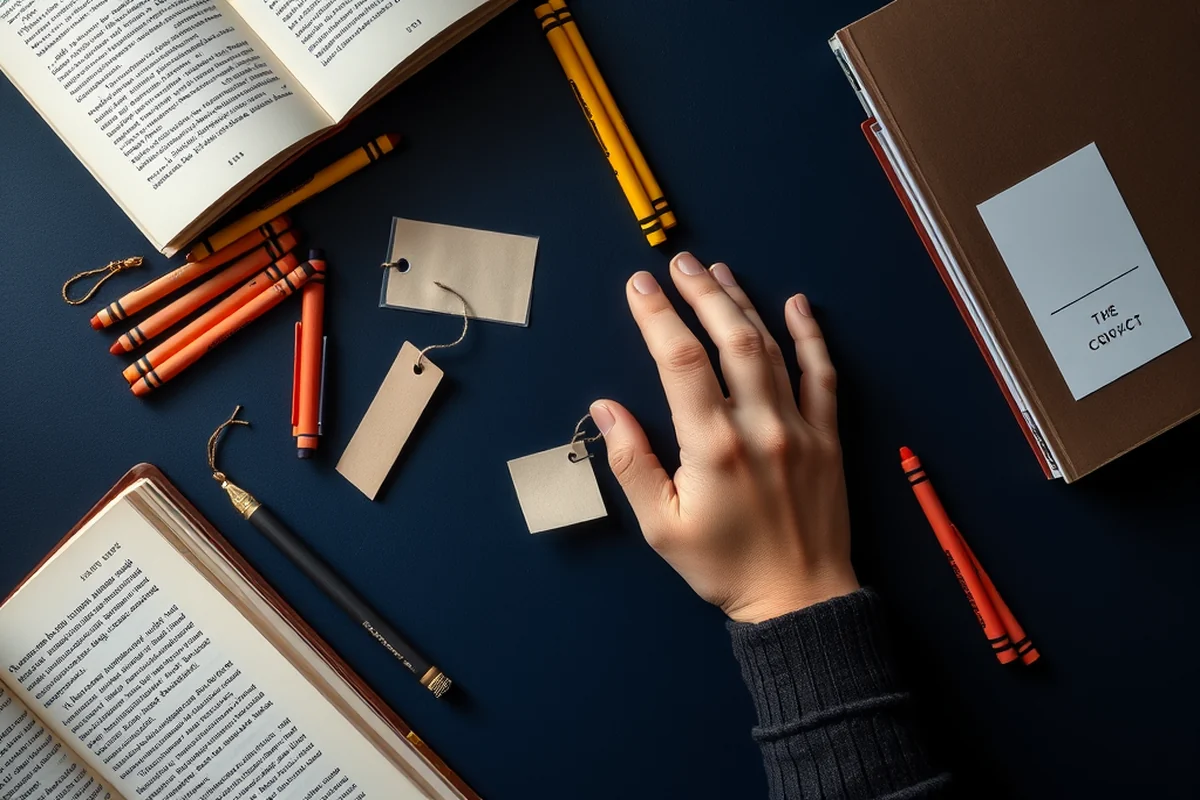
I’ve used children's books to teach conflict resolution in a way that feels natural and engaging. One of my favorites is 'The Color Monster' by Anna Llenas, which uses colors to represent emotions and helps kids understand their feelings. After reading the book, I ask my kids to share times when they felt similar emotions and how they handled them. This creates a safe space for them to talk about their experiences and learn from each other.
Another way I've used storytelling is by creating our own mini-stories during dinner time. We take turns sharing moments when we had conflicts and how we resolved them. I’ve found that this practice not only helps kids process their own experiences but also builds a sense of community and understanding. When my kids hear how their siblings or friends handled similar situations, they’re often inspired to try new approaches themselves.
I’ve also used real-life examples, like movies or TV shows, to discuss how characters handle conflict. For instance, after watching a scene from 'Bluey' where the characters resolve an argument by talking it out, I’ll ask my kids how they think the characters felt and what they could have done differently. This kind of discussion helps kids see that even characters in stories can learn from their mistakes, just like they can.
Related: Best teaching children about conflict
The Power of Listening
One of the hardest parts of teaching conflict resolution is learning how to listen without jumping in to fix the problem. I’ve made a conscious effort to let my kids talk through their disagreements without interrupting them. When I do listen, I ask open-ended questions like, 'What do you think happened?' or 'How did that make you feel?' This helps them process their emotions and think about solutions.
I remember one time when my daughter was upset because her brother kept interrupting her. Instead of telling her what to do, I asked her to explain the situation from her perspective. She described how it felt to be ignored, and we talked about ways she could ask for more attention. This approach helped her feel heard and empowered, and it gave her the tools to handle similar situations in the future.
Listening is a skill that takes practice, and I’ve learned that it’s not always easy. Sometimes, I have to remind myself to stay calm and let my kids speak without judgment. But when I do listen, I’ve seen how much it helps them feel supported and respected — and that makes all the difference in how they handle conflict.
Related: Affordable teaching children about conflict
Practicing Apologies and Forgiveness
Apologizing and forgiving are two of the most important skills in conflict resolution. I’ve made it a point to teach my kids that saying 'I'm sorry' doesn’t mean they’re weak — it means they’re growing and learning. I’ve even created a simple apology card that they can use when they feel like they’ve hurt someone. This helps them express their feelings in a clear and respectful way.
Forgiveness is another skill that takes time to develop. I’ve found that modeling forgiveness is one of the most powerful ways to teach it. When my kids make mistakes, I let them know that everyone does, and I encourage them to think about how they can make amends. This approach has helped them understand that forgiveness is a choice — and it’s one that can strengthen their relationships.
I’ve also had moments where my kids didn’t want to forgive someone, and I’ve learned that it’s okay to give them time. Forgiveness doesn’t always happen immediately, and it’s important to respect their feelings. When they’re ready, I’ll help them find a way to move forward and rebuild trust — and that’s a lesson they’ll carry with them for years to come.
Forgiveness is a choice — and one that strengthens relationships.
Related: Affordable teaching children conflict resolution skills
Creating a Safe Space for Conflict
Creating a safe space for conflict means letting kids know they can talk about their feelings without fear of being judged or punished. I’ve made it a point to let my kids know that it’s okay to be upset, angry, or even sad — and that I’m always here to listen. This approach has helped them feel more comfortable expressing their emotions and working through conflicts with me.
I’ve also created a 'feelings corner' in our home where kids can go to calm down and think about how they’re feeling. This space is filled with soft blankets, books, and toys that help them relax and process their emotions. When my kids are upset, I encourage them to use this corner as a place to take a break before they try to resolve the conflict with others.
I’ve found that when kids know they have a safe space to process their emotions, they’re more likely to approach conflicts with a calm and open mindset. This has helped my kids not only in the home but also in school, where they’ve been able to use the same strategies to handle disagreements with their peers.
🧸 Younger Kids (Ages 3-6)
Use simple role-play and pictures to help them understand emotions and conflict resolution.
👦 Older Kids (Ages 7+)
Use real-life scenarios and group discussions to practice advanced conflict resolution skills.
⏱️ No-Prep Version
Use everyday situations and spontaneous conversations to teach conflict resolution on the fly.
👥 Group Activity
Host a family meeting where everyone can share their feelings and work through conflicts together.
📚 Extension Activity
Create a journal where kids can write about conflicts they've had and how they resolved them.
| The mistake | Why it happens | The fix |
|---|---|---|
| Not listening to your child’s perspective. | If you don’t listen, your child may feel ignored or misunderstood, which can make conflicts worse. | Practice active listening by letting your child talk without interrupting. Ask open-ended questions to help them process their emotions. |
| Jumping in to fix the conflict immediately. | This can prevent your child from learning how to resolve conflicts on their own. | Let them work through the conflict first. If they need help, guide them with gentle questions and support. |
| Ignoring the conflict or pretending it didn’t happen. | This can lead to unresolved emotions and more conflicts in the future. | Address the conflict head-on. Let your child know it’s okay to talk about their feelings and that you’re here to help. |
| Using punishment instead of teaching conflict resolution. | Punishment can make your child feel ashamed or scared, which can prevent them from learning how to resolve conflicts in a healthy way. | Focus on teaching conflict resolution skills instead of punishing your child. Use role-playing, storytelling, or open discussions to help them understand and practice healthy ways to handle disagreements. |
Teaching Children About Conflict At Home
Common Questions
How can I help my child understand their emotions during a conflict?
What should I do if my child is too upset to talk about the conflict?
How can I teach my child to apologize without making them feel weak?
What if my child refuses to forgive someone?
References
- Teaching Kids Healthy Ways of Communication: A Path to Stronger ... (aiu.edu)
- 6 Ways You're Teaching Your Kids Relationship-Killers (cmr.biola.edu)
- Preparing the Kids in Your Home for Fostering (co.portage.wi.gov)
- Resolving Conflict Creatively Program (New York City) (crimesolutions.ojp.gov)
- Topic: Peaceful Conflict Resolution at School Grade/Course (dese.mo.gov)
Cite this guide
Teaching Conflict Resolution to Teens (2026). Teaching Children About Conflict At Home. https://dialoguezone.com/teaching-children-about-conflict-at-home/
Feel free to cite or share this guide.