Teaching Kids About Healthy Conflict Resolution Alternatives
📖 Table of Contents
- Why Conflict Resolution Matters for Kids
- What Are Healthy Conflict Resolution Alternatives?
- How to Teach Kids to Use ‘I Statements’
- Role-Playing and Storytelling as Learning Tools
- Encouraging Emotional Awareness and Empathy
- The Role of Adults in Modeling Conflict Resolution
- Creating a Safe Space for Conflict Resolution
- Make It Your Way
- Frequently Asked Questions
I still remember the day my 8-year-old daughter stormed out of the living room after a heated argument with her younger brother. I watched helplessly as they both stood in the hallway, eyes red and voices raised. It was a moment that crystallized why teaching kids about healthy conflict resolution alternatives isn’t just a good idea—it’s a necessity. Children are still learning how to handle the messy, emotional terrain of human relationships, and without guidance, they often default to yelling, hitting, or walking away. My own experience has shown me that when we teach kids early on how to resolve conflicts in a healthy way, we’re not just helping them get along with siblings—we’re building the emotional and social intelligence they’ll need for the rest of their lives.[3]
The first time I tried teaching my children about conflict resolution, I used a script I found online. It didn’t work. They rolled their eyes, refused to participate, and the whole thing felt like a waste of time. I learned quickly that what works for adults doesn’t always translate to kids. That’s when I started experimenting—using role-playing, storytelling, and even simple games to help my kids understand what healthy conflict resolution alternatives look like. Over time, I saw real progress. They began to listen more, apologize when they were wrong, and even help each other calm down when things got heated. These were small steps, but they were powerful ones.[4]
Now, I work with parents and teachers who are trying to do the same thing. They’re looking for real, actionable strategies that work in the classroom, at home, and in after-school programs. What I’ve found is that the most effective methods for teaching kids about healthy conflict resolution alternatives are those that are engaging, sensory, and rooted in real-life scenarios. Whether it’s using puppets to demonstrate how to express feelings or creating a visual chart of ‘I statements’ to guide conversations, the key is to make the process fun and relatable. The goal isn’t to eliminate conflict—it’s to help kids learn how to navigate it in a way that builds understanding and respect.[5]
Why You'll Love This Method
- It helps kids develop emotional intelligence and empathy early on.
- It reduces aggressive behaviors and promotes cooperation.
- It provides tools that last a lifetime for managing disagreements.
- It makes learning about emotions and communication fun and engaging.
Why Conflict Resolution Matters for Kids
As of September 2026, Children as young as three begin to experience conflict when they want the same toy, feel misunderstood, or don’t know how to express their feelings. If not addressed properly, these small disagreements can snowball into bigger issues. Teaching kids about healthy conflict resolution alternatives early helps them understand that it’s okay to have different opinions and that there are ways to work through problems without resorting to aggression or withdrawal.
Research from the American Psychological Association shows that children who learn conflict resolution skills are more likely to have better social relationships, higher self-esteem, and fewer behavioral problems. These skills don’t just help them get along with siblings—they also prepare them for success in school, friendships, and later in life.[1]
I remember a time when my daughter and son would constantly argue over who got to play with a certain toy. After teaching them about taking turns and using words to express their needs, their conflicts decreased dramatically. It wasn’t magic, but it was the result of consistent practice and modeling.
Set up a small ‘conflict corner’ with a timer and a feelings chart. Encourage kids to use it when disagreements arise.
Part of our Teaching conflict resolution to kids not working guide.
What Are Healthy Conflict Resolution Alternatives?
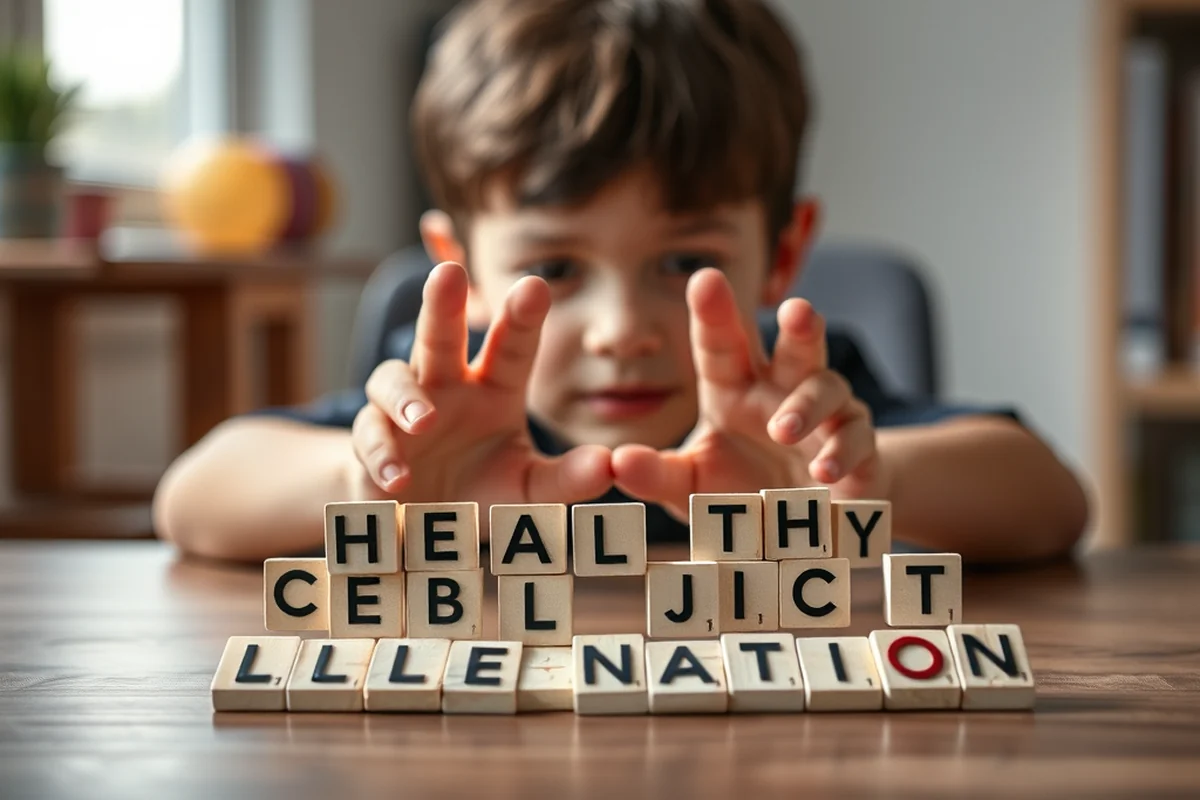
Healthy conflict resolution alternatives for kids involve teaching them to express their needs and emotions in a respectful way. This can include using ‘I statements’ like, ‘I feel sad when you take my toy’ instead of yelling, ‘You’re mean.’ It also means helping them understand that taking turns and sharing can be a way to resolve conflicts rather than fighting over things.
In one classroom I visited, the teacher had a ‘peace table’ where kids could sit down and talk through their disagreements with a mediator. It was a simple setup, but it made a huge difference in how the students handled conflicts. They learned that communication and compromise are more effective than shouting or pushing.
By modeling these behaviors ourselves, we give kids a blueprint to follow. When we calmly walk through a problem and show them how to solve it without aggression, we’re not just resolving the issue—we’re teaching them a valuable life skill.
Words are the most powerful tool in conflict resolution.
Related: Top teaching kids about healthy conflict resolution
Related: Teaching Kids About Healthy Conflict Resolution Checklist
How to Teach Kids to Use ‘I Statements’
One of the most effective tools in teaching kids about healthy conflict resolution alternatives is the use of ‘I statements.’ These are statements that start with ‘I’ and describe a feeling or need, rather than blaming someone else. For example, instead of saying, ‘You never share your toys,’ a child might say, ‘I feel sad when you take my toys without asking.’ This approach helps reduce defensiveness and encourages a more open conversation.
I made a set of flashcards with different situations and ‘I statements’ that my kids could use. They kept them on their bedside tables so they could refer to them when they were upset. Over time, they began to use these statements naturally, even when they were frustrated. It was amazing to see how much this helped them express themselves in a way that felt safe and constructive.
I recommend practicing this at home by role-playing different scenarios. Let your child take the lead and guide you through using ‘I statements’ in real time. It’s a small step, but it can make a big difference in how they handle conflict in the future.[2]
Create a feelings chart with pictures and words that help kids identify and express their emotions during conflicts.
“I still remember the day my 8-year-old daughter stormed out of the living room after a heated argument with her younger brother.”— Teaching Conflict Resolution to Teens editors
Related: Affordable teaching kids conflict resolution skills
Related: Teaching Conflict Resolution To Kids Alternatives
Role-Playing and Storytelling as Learning Tools
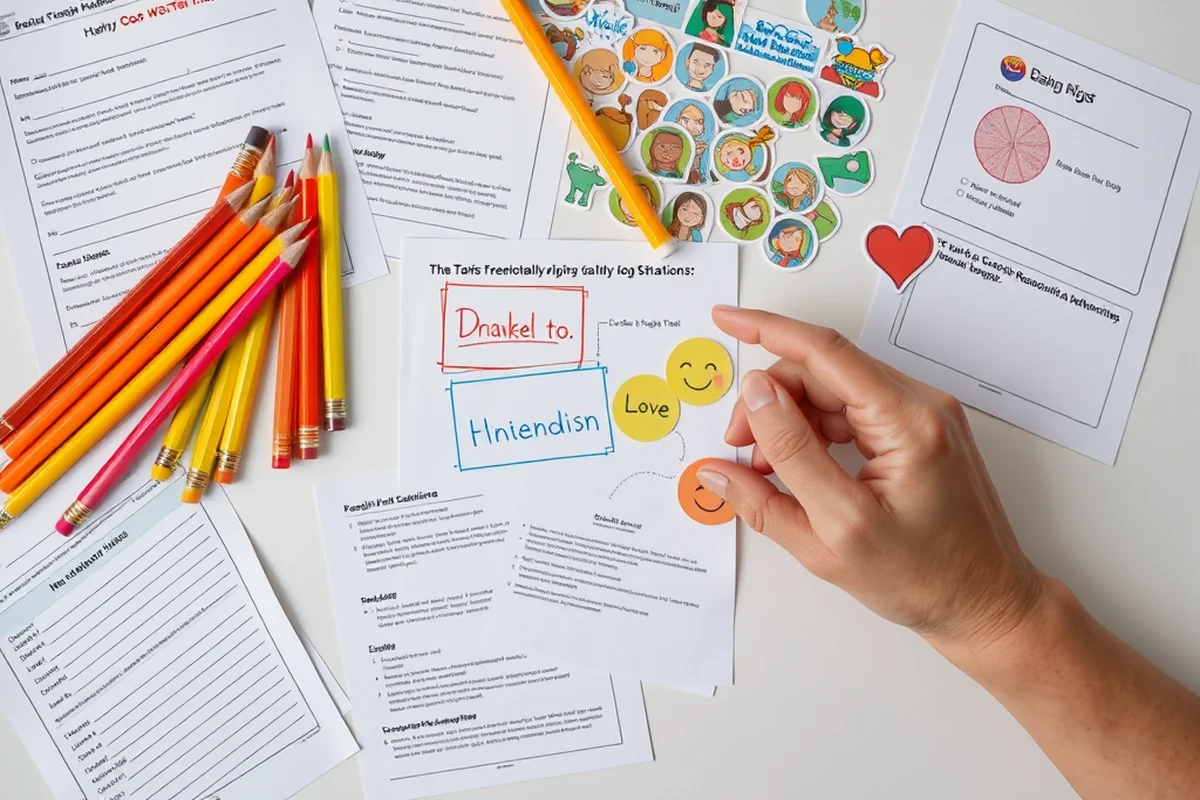
Role-playing and storytelling are powerful tools for teaching kids about healthy conflict resolution alternatives. By pretending to be in different situations, children can explore various ways to handle disagreements without real-life consequences. For instance, you can act out a scene where two characters are fighting over a toy and then demonstrate how they can use words to resolve the conflict instead.
I once created a mini-play with my daughter and son where they took turns being the ‘problem’ and the ‘solution’ in a conflict. It was a fun way for them to see both sides and understand that there are always options beyond yelling or hitting. After that, they started using this method when they had real disagreements, which was incredibly rewarding.
Storytelling can also be a great way to introduce the concept of empathy. When you read stories about characters who resolve conflicts through communication and understanding, you’re showing kids how it’s done in a relatable way. These stories become a reference point for them in their own lives.
Related: Affordable teaching kids about healthy conflict resolution
Encouraging Emotional Awareness and Empathy
Emotional awareness and empathy are foundational to teaching kids about healthy conflict resolution alternatives. When children can recognize their own feelings and understand how others might be feeling, they’re better equipped to handle disagreements in a respectful way. This doesn’t come naturally—like any skill, it requires practice and guidance.
One method I used was having my children name their emotions using a feelings chart. We would pause when a conflict arose and ask them to describe how they were feeling. Then, we would ask the other person how they thought the first child felt. This exercise helped them see things from different perspectives and build empathy.
It’s also important to model emotional awareness ourselves. When we take a moment to explain our own feelings, we’re showing kids that it’s okay to be upset, angry, or frustrated—as long as we express those feelings in a healthy way.
Related: Cheap teaching conflict resolution skills
The Role of Adults in Modeling Conflict Resolution
Children learn by watching, so the way adults handle conflict sets the tone for how kids will deal with their own disagreements. When we model calm, respectful communication, we give them a blueprint to follow. On the other hand, if we react with anger or frustration, we’re teaching them that those are acceptable responses.
I once saw a teacher in a classroom handle a heated argument between two students by sitting down with them and asking them both how they felt. She didn’t take sides, didn’t punish, and didn’t raise her voice. Instead, she helped them find a solution together. The next day, the students were more cooperative, and the classroom atmosphere had shifted.
By staying calm and showing that conflict doesn’t have to be scary or mean, we’re helping kids understand that disagreements are normal—but they can be resolved in a way that respects everyone involved.
Model what you want to see in the next generation.
Related: Conflict resolution worksheets
Creating a Safe Space for Conflict Resolution
Children need to feel safe when they’re learning how to resolve conflicts. If they’re afraid of being punished, criticized, or laughed at, they’re less likely to open up or try new ways of communicating. Creating a safe space involves being patient, listening without judgment, and offering support.
In my home, I set up a ‘peace corner’ with a soft chair, a feelings chart, and a timer. When conflicts arose, we would sit in the peace corner and talk things through. It became a place my kids felt comfortable returning to, even when they were upset. It wasn’t a magic solution, but it gave them a space to feel heard and supported.
It’s also important to avoid power struggles. When kids know they can express their feelings without fear of being yelled at, they’re more likely to listen and find solutions. A safe space doesn’t mean there’s no discipline—it means that the focus is on teaching, not punishing.
🎨 Younger Kids: Feelings Chart Activity
Use a colorful feelings chart to help young children identify and express their emotions.
🎭 Older Kids: Role-Play Scenarios
Create real-life scenarios for older kids to practice conflict resolution through role-play.
🃏 No-Prep Option: Emotion Cards
Use emotion cards to help kids recognize and discuss their feelings in any setting.
🤝 Group Version: Peer Mediation
Teach kids how to mediate conflicts between peers in a group setting.
📖 Extension: Storytelling with Conflict
Use stories that include conflict resolution as a way to teach and reinforce the skill.
| The mistake | Why it happens | The fix |
|---|---|---|
| Using punishment to resolve conflicts. | Punishment can lead to fear and resentment, making children less likely to communicate openly in the future. | Focus on teaching and modeling healthy behaviors rather than punishing. Encourage open dialogue and problem-solving. |
| Ignoring the child’s feelings. | When children feel ignored or dismissed, they’re less likely to trust that their emotions are valid or that they can be heard. | Make a point to validate their feelings and show that you care. Use phrases like, ‘I see that you’re upset, and that’s okay.’ |
| Not practicing regularly. | Conflict resolution is a skill that requires practice. Without regular practice, the child may forget what they’ve learned or not feel confident in using the skills. | Set aside time each week to practice conflict resolution techniques. Even short, consistent practice can make a big difference. |
| Using complex language or concepts. | Children may not understand abstract concepts or complicated explanations, which can make them feel overwhelmed or confused. | Use simple, clear language and concrete examples. Role-play, storytelling, and visual aids can help make the concepts more relatable. |
Teaching Kids About Healthy Conflict Resolution Alternatives
Common Questions
What age is this activity best suited for?
Do I need any special materials for this activity?
How long does the activity take to set up?
Can this be used in a classroom setting?
References
- Positive Discipline: Behavioral Management Skills for Parents and ... (ask.ifas.ufl.edu)
- Why Can't We All Just Get Along? - Penn State Extension (extension.psu.edu)
- What We Get Wrong About Teaching Kids to Apologize and Forgive (greatergood.berkeley.edu)
- Modeling healthy problem-solving for your kids - Mayo Clinic Press (mcpress.mayoclinic.org)
- Reducing conflicts in school environments using restorative practices (sciencedirect.com)
Cite this guide
Teaching Conflict Resolution to Teens (2026). Teaching Kids About Healthy Conflict Resolution Alternatives. https://dialoguezone.com/teaching-kids-about-healthy-conflict-resolution-alternatives/
Feel free to cite or share this guide.