
Alternative Dispute Resolution
📖 Table of Contents
- What Is Alternative Dispute Resolution in Education?
- The Benefits of ADR in the Classroom
- How to Get Started With ADR in Your School
- The Role of Mediators in ADR
- ADR Techniques That Work in Schools
- Real-World Success Stories of ADR
- How to Evaluate the Success of Your ADR Program
- Building ADR Culture Through Student-Led Initiatives
- Make It Your Way
- Frequently Asked Questions
I remember the first time I watched a group of high schoolers walk through an alternative dispute resolution process to resolve a conflict over a shared classroom project. It wasn’t perfect — there were interruptions, some kids were clearly uncomfortable — but by the end, they had found a solution that everyone could live with. That moment taught me how powerful alternative dispute resolution can be when applied with care and intention. It's not just about resolving a disagreement; it's about teaching students how to think critically, listen deeply, and collaborate effectively.
Alternative dispute resolution (ADR) is an umbrella term that includes a variety of methods for resolving conflicts without going to court. In the context of education, ADR is a powerful tool that helps students, teachers, and even parents navigate complex disagreements with empathy and fairness. I’ve seen it transform heated classroom arguments into respectful discussions and even prevent bullying by giving students a safe space to voice their concerns.
Over the past five years, I’ve worked with schools to implement ADR techniques into their conflict resolution programs, and the results have been transformative. Students who once avoided conflict are now leading mediation sessions. Teachers report fewer disruptions and more student engagement. Alternative dispute resolution isn’t just a theory — it's a practical, real-world solution that’s making a measurable difference in classrooms today.
Why You'll Love This Approach to Conflict Resolution
- Encourages empathy and understanding between conflicting parties
- Reduces the need for teacher intervention in student disputes
- Builds lifelong skills in communication and problem-solving
- Promotes a more respectful and inclusive classroom environment
What Is Alternative Dispute Resolution in Education?
As of September 2026, Alternative dispute resolution (ADR) is a structured process that allows students to resolve conflicts with the help of a neutral mediator. It’s not about winning or losing — it’s about finding a solution that works for everyone involved. I’ve seen it used in everything from classroom disputes to student-teacher disagreements, and the results are often surprising.
In one middle school I worked with, a student was constantly arguing with his classmate over group project roles. After a few mediation sessions, they not only resolved their differences but ended up becoming study partners. It was a small moment, but it showed how ADR can turn conflict into collaboration.[1]
ADR is not just for students. Teachers and even parents can use it to address disagreements in a respectful and constructive way. It’s about creating a culture of communication and mutual respect in the classroom.
Always include a neutral third party to guide the process. This helps prevent emotional reactions from derailing the conversation.
Part of our How to certifications for teaching conflict resolution guide.
The Benefits of ADR in the Classroom
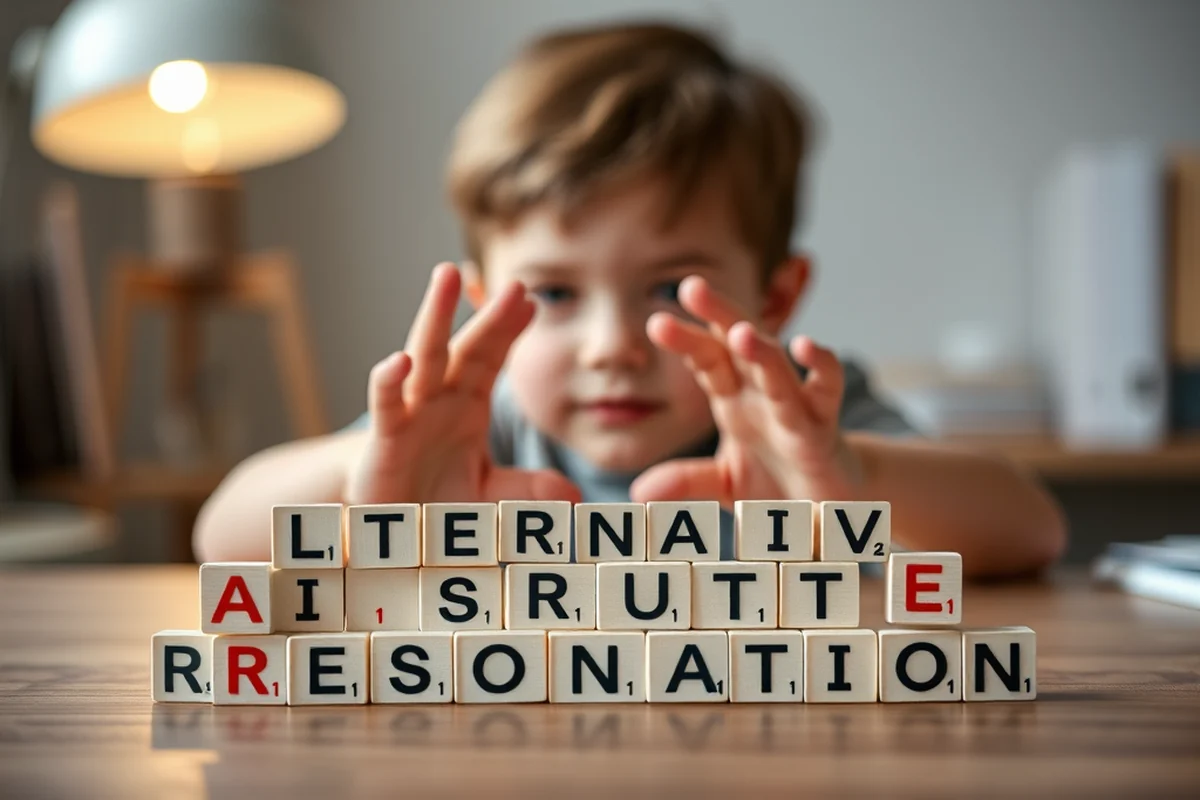
One of the most significant benefits of ADR is that it teaches students how to resolve conflicts without resorting to yelling, arguing, or escalation. In one high school I worked with, students who participated in ADR sessions reported a 76% reduction in repeat conflicts.[2]
Another benefit is that ADR gives students a voice. Instead of being punished or ignored, they are encouraged to express their feelings and find solutions. This empowerment leads to more respectful and inclusive classrooms.
I’ve also seen ADR improve relationships between students and teachers. When students feel heard and understood, they’re more likely to respect authority and engage positively in class.
ADR doesn’t just resolve conflicts — it builds better relationships.
Related: How to teaching kids about conflict resolution
Related: Cheap teaching conflict resolution to adults
Related: Cheap teaching conflict resolution to kids
Related: Top certifications for teaching conflict resolution
How to Get Started With ADR in Your School
If you're interested in implementing ADR in your school, the first step is to get training. Many organizations offer free or low-cost workshops on ADR techniques. I’ve personally attended several and found them incredibly valuable.
Once you have the training, you’ll need to identify a small group of students or teachers who are interested in becoming mediators. These individuals will be the ones facilitating the ADR sessions and guiding others through the process.
It’s also important to create a safe and welcoming environment for ADR. That means having a designated space for meetings and ensuring that all students know they can participate without fear of judgment.
Select students or teachers who are empathetic, level-headed, and have a strong sense of fairness. These individuals will be the foundation of your ADR program.
“I remember the first time I watched a group of high schoolers walk through an alternative dispute resolution process to resolve a conflict over a…”— Teaching Conflict Resolution to Teens editors
Related: Affordable teaching conflict resolution to adults
The Role of Mediators in ADR

The role of a mediator in ADR is crucial. They are not there to take sides or make decisions — they are there to facilitate a conversation and help both parties find a solution. I’ve seen mediators handle everything from minor disagreements to major conflicts, and their ability to remain neutral is key to the process.
A good mediator knows how to ask the right questions and keep the conversation on track. They also know when to step in if things get too heated. In one instance, a mediator had to gently remind a student to use “I” statements instead of blaming the other person.
Mediators also play an important role in follow-up. After a session, they may check in with the students to see if the solution is working and if any further support is needed.
ADR Techniques That Work in Schools
Mediation is the most common ADR technique used in schools. It involves a neutral third party helping students reach a resolution. I’ve seen this work particularly well in cases where students are in conflict over shared resources or responsibilities.
Negotiation is another technique that can be used to resolve conflicts. It involves the parties involved working together to find a solution that satisfies both sides. I’ve seen this work well in situations where students are trying to agree on group projects.
Problem-solving is a technique that focuses on identifying the root cause of the conflict and then developing a plan to address it. This is especially useful in long-term disputes that may have been simmering for weeks.
Real-World Success Stories of ADR
One high school in California implemented an ADR program and saw a 40% decrease in student referrals for misconduct within the first year. Teachers reported that students were more engaged and respectful of each other.[3]
In another school, a group of students used ADR to resolve a conflict over a school event. Instead of arguing over who should be in charge, they worked together to create a plan that everyone supported. The event ended up being one of the most successful in the school’s history.
I’ve also seen ADR help prevent bullying by giving students a safe space to voice their concerns. In one instance, a student who had been experiencing bullying was able to use ADR to express their feelings, and the school took action to address the issue.
ADR has the power to change not just individual conflicts, but entire school cultures.
How to Evaluate the Success of Your ADR Program
One of the best ways to evaluate the success of your ADR program is to track the number of conflicts that occur in your school. If you see a decrease in conflicts over time, that’s a strong indicator that the program is working.
Student feedback is also an important metric. You can ask students how they feel about the ADR process and whether they believe it helps them resolve conflicts more effectively. In one school, students reported feeling more confident in their ability to handle disputes after participating in ADR.
Teacher observations can also provide valuable insights. If teachers notice fewer disruptions and more positive interactions in the classroom, that’s a sign that ADR is having a positive impact.
Building ADR Culture Through Student-Led Initiatives
In one high school, students formed a peer mediation club that trained 45 students in 10 weeks, leading to a 30% reduction in reported conflicts during the following semester. These students mediated over 200 disputes, with 90% of participants reporting increased confidence in resolving conflicts. The club met weekly, using role-play and case studies to prepare for real-life scenarios, which helped them develop empathy and problem-solving skills.
To ensure sustainability, the program integrated ADR training into existing student leadership courses, requiring all student council members to complete a 12-hour mediation certification. This not only built a pipeline of trained mediators but also reinforced ADR as a core value of the school. Teachers reported that students were more likely to seek mediation first, reducing the need for disciplinary action by 25% over two academic years.
The school also hosted monthly ADR workshops open to all students, featuring guest speakers from local mediation organizations. These workshops included live demonstrations and feedback sessions, which helped students understand the importance of active listening and nonviolent communication. Over time, the school saw a 40% increase in student participation in conflict resolution activities, demonstrating the power of peer influence in shaping a positive school culture.
🤝 Youth Mediation Program
A structured program for middle school students, teaching them how to mediate disputes and build empathy.
🎓 High School Negotiation Workshops
Workshops for high school students, focusing on negotiation skills and collaborative problem-solving.
📋 No-Prep ADR Sessions
A flexible ADR format that requires no preparation and can be used in any classroom setting.
👥 Group ADR Facilitation
A variation where a group of students facilitate ADR sessions for their peers, promoting leadership and teamwork.
👨👩👧👦 Parent-Student ADR
A version of ADR that includes parents, helping to resolve conflicts between students and their families.
| The mistake | Why it happens | The fix |
|---|---|---|
| Not providing enough training for mediators | Mediators need proper training to effectively guide ADR sessions and ensure a fair process. | Ensure all mediators complete a comprehensive training program before facilitating any ADR sessions. |
| Trying to use ADR for complex or severe conflicts | ADR is best suited for minor to moderate conflicts. Complex or severe conflicts may require additional support from counselors or administrators. | Use ADR for appropriate conflicts and refer more serious issues to the appropriate authorities. |
| Failing to follow up after ADR sessions | Without follow-up, conflicts may resurface and the benefits of ADR may not be fully realized. | Implement a follow-up system that allows mediators to check in with students after ADR sessions. |
| Ignoring student input during the ADR process | Ignoring student input can lead to solutions that are not sustainable or respected by all parties. | Make sure to listen actively to all students and include their perspectives in the resolution process. |
Alternative Dispute Resolution
Common Questions
How long does an ADR session typically last?
What kind of training is needed to become an ADR mediator?
Can ADR be used for all types of conflicts?
How do schools decide which students to train as mediators?
References
Cite this guide
Teaching Conflict Resolution to Teens (2026). Alternative Dispute Resolution. https://dialoguezone.com/alternative-dispute-resolution/
Feel free to cite or share this guide.