
Teaching Conflict Management At Home
📖 Table of Contents
- Why Conflict Is a Learning Opportunity
- The Power of 'I' Statements
- Modeling Empathy and Active Listening
- Creating a 'Peace Table' at Home
- Teaching Compromise and Collaboration
- The Role of Parents in Conflict Resolution
- Encouraging Emotional Expression Through Art
- Implementing a Conflict Journal for Reflection and Growth
- Make It Your Way
- Frequently Asked Questions
I remember the first time my 8-year-old daughter came home from school, eyes red and fists clenched, yelling that her best friend had taken her toy. It wasn’t just about the toy—it was about feeling disrespected and unheard. That moment taught me that teaching conflict management at home isn’t just about preventing tantrums or arguments; it's about equipping kids with the tools to handle the messy, emotional world of relationships, both inside and outside the home.
Conflict is a natural part of life, but for kids, it can feel overwhelming. As a parent, I quickly learned that the way we handle disagreements at home shapes how kids approach conflict elsewhere. I began integrating lessons on active listening, empathy, and problem-solving into our daily routines, and over time, I saw a shift. My daughter started using phrases like, 'I feel upset when you do that,' and 'Can we find a way to fix this together?' These weren’t just words—they were the foundation of a more peaceful home.
Teaching conflict management at home has transformed our family dynamic. It’s not about eliminating disagreements, but about turning them into opportunities for growth. I now use structured activities and open conversations to help my kids explore their emotions and practice resolution skills. It takes time and patience, but the result is a more respectful, understanding, and emotionally resilient household.
Why You'll Love This Approach to Teaching Conflict Management at Home
- Creates a safe space for kids to express their feelings without fear of judgment.
- Builds long-term communication and emotional intelligence skills.
- Reduces the frequency of power struggles and tantrums.
- Encourages empathy and cooperation from a young age.
Why Conflict Is a Learning Opportunity
As of September 2026, when my kids argue over toys or chores, I see it as a chance to model how to resolve differences. I’ve noticed that the more I talk about emotions and solutions, the more they begin to do the same. It’s not about fixing the problem immediately—it's about creating a space where they feel heard and respected.
Studies show that kids who learn conflict resolution at home are more likely to use it in school and social settings. A 2018 study by the American Psychological Association found that early intervention in emotional regulation can reduce aggression by up to 40% in later childhood.[1]
By normalizing these conversations, I’ve seen a decrease in power struggles and a rise in kids taking ownership of their feelings and actions. This approach has become a cornerstone of our family communication.
Use simple language like 'I feel' and 'You feel' to help kids identify and express their emotions. Ask them: 'What made you feel that way?' and 'How can we make it better?'
Part of our Teaching of conflict mistakes guide.
The Power of 'I' Statements
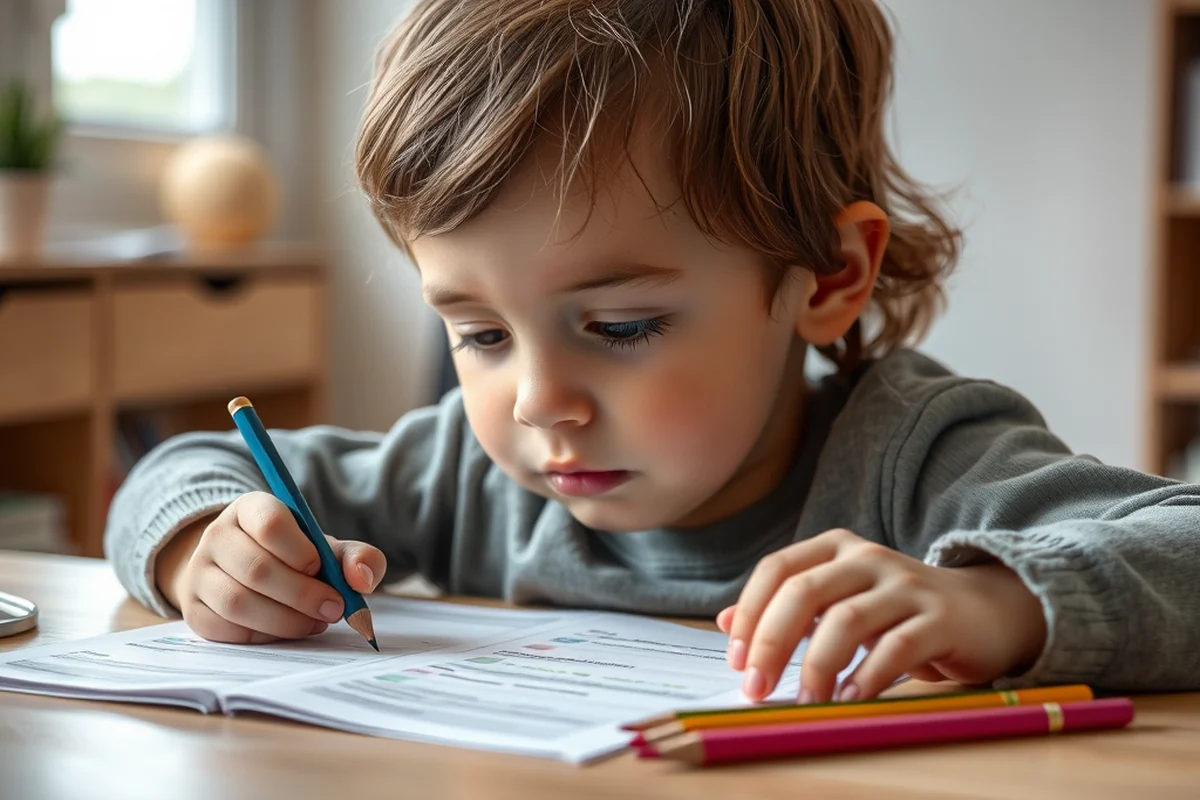
I remember when my son said to his sister, 'You took my book and I feel mad.' It was a breakthrough moment. He was using 'I' instead of 'You' and stating his feeling. It made the conversation less accusatory and more constructive.
Teaching 'I' statements has helped my kids shift from blame to understanding. They learn that their emotions are valid, but the way they express them matters. This simple shift has reduced the intensity of arguments and made resolution easier.
We practice this in daily conversations, like when they want more screen time or have a disagreement over chores. The result is more respectful and calm interactions.
Words matter. 'I' statements change the tone of every conflict.
Related: Affordable teaching conflict management
Related: Teaching of conflict troubleshooting
Related: Top Teaching Conflict Management
Related: Teaching Conflict Management Vs
Related: Teaching Conflict Management Mistakes
Related: Conflict Management Styles
Modeling Empathy and Active Listening
I’ve made it a habit to pause when my kids are upset, sit with them. Ask open-ended questions like, 'What’s going on?' or 'How does that feel?' This has transformed the way they communicate with each other and with me.
Active listening involves not just hearing, but understanding. I’ve noticed that when I mirror their emotions, like saying, 'It sounds like you were really frustrated when that happened,' they feel validated. This builds trust and encourages them to open up more.
By modeling this behavior, I’ve seen a decrease in yelling and an increase in mutual understanding. It’s a simple but powerful shift that helps kids feel heard and respected.
Repeat back what your child says to ensure understanding. For example, if they say, 'I don’t want to go to bed,' you can respond, 'You’re saying you’re not ready to go to sleep yet. Is that right?'
“I remember the first time my 8-year-old daughter came home from school, eyes red and fists clenched, yelling that her best friend had taken her…”— Teaching Conflict Resolution to Teens editors
Related: Teaching conflict checklist
Related: Teaching conflict management troubleshooting
Creating a 'Peace Table' at Home
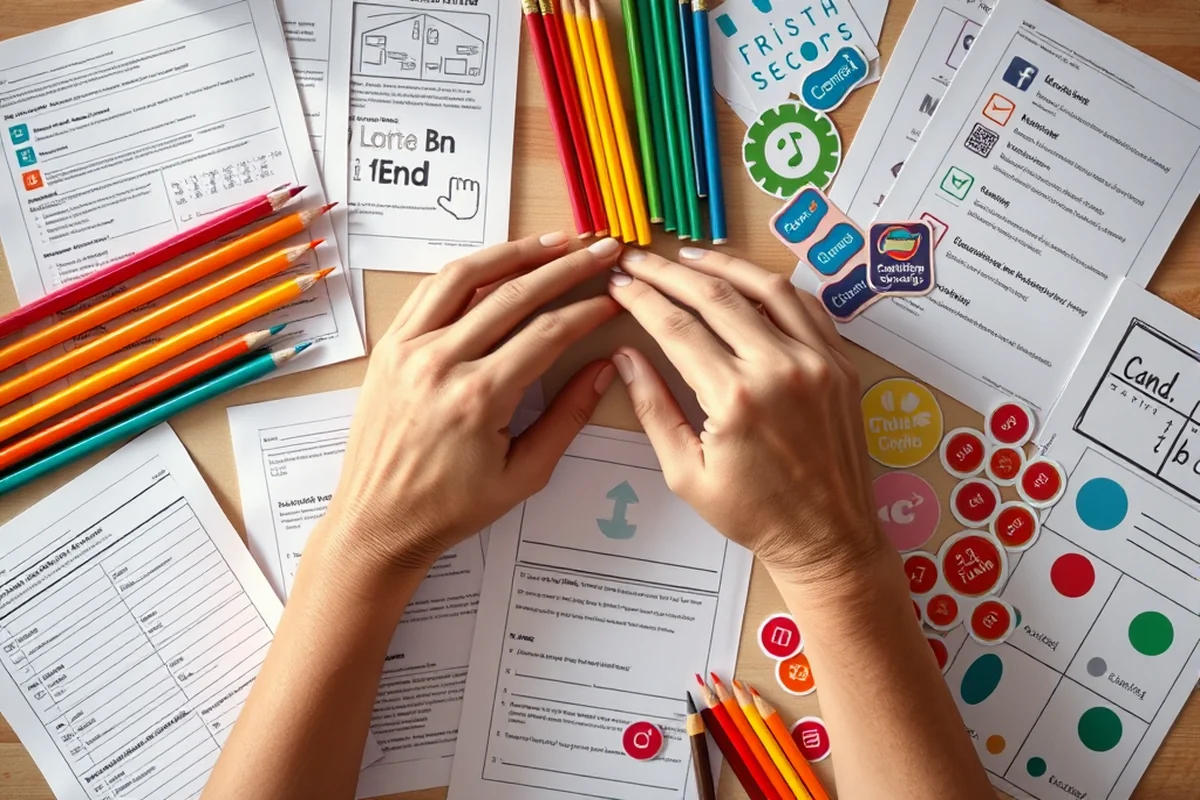
I created a small table in our living room with a whiteboard, markers, and a few soft toys. When my kids are upset, we sit at the table and use the whiteboard to write down their feelings and possible solutions. It gives them a visual way to process what’s happening.
The table has become a place of calm in our home. My kids use it not only for resolving conflicts but also for brainstorming and problem-solving. It’s a tangible reminder that we can work through differences.
Over time, I’ve noticed they’re more willing to use the table on their own, which is a huge step in teaching them independence and conflict resolution skills.
Related: Teaching conflict management comparison
Teaching Compromise and Collaboration
When my kids disagree on a game or activity, we talk about how they can both win. For example, one might take a turn first, and the other can go next. This teaches them that sharing doesn’t mean losing—it means working together.
I’ve noticed that when they learn to compromise, they’re more likely to use it in other situations, like sharing space or dividing chores. They begin to see that everyone’s needs are valid and can be met with creativity.
Collaboration builds a sense of teamwork and mutual respect. It’s not just about resolving a conflict—it’s about building stronger, more connected relationships.
The Role of Parents in Conflict Resolution
I’ve made it a point to be present during conflicts and guide my kids through the process without taking over. I ask questions like, 'What do you think you can do to fix this?' or 'How can you make sure both of you feel heard?'
By staying involved but not controlling the outcome, I’ve seen my kids take more ownership of their decisions. It teaches them that they have the power to resolve their own conflicts, which boosts their confidence.
My presence during these moments has created a safer environment for my kids to explore emotions and problem-solving. They know they can rely on me, but also that they can learn to handle things on their own.
Be the calm in the storm. Your presence is more powerful than your words.
Encouraging Emotional Expression Through Art
I’ve used drawing and coloring as a way for my kids to show what’s on their mind when words fail. One day, my daughter drew a picture of two people fighting, and then another of them hugging. It was a clear representation of her emotions and what she wanted to happen.
Art allows kids to explore complex emotions without the pressure of verbal communication. It’s a safe space for them to express frustration, sadness, or anger.
By incorporating art into conflict resolution, I’ve seen my kids become more self-aware and emotionally expressive. It’s a creative and effective way to help them process what they’re feeling.
Implementing a Conflict Journal for Reflection and Growth
I encouraged my teenagers to keep a conflict journal where they recorded every major disagreement they had, including the situation, their emotions, and the resolution. They were also asked to rate their own behavior on a scale of 1 to 10 and identify one thing they could do differently next time. After six weeks, my daughter reported that she had resolved three conflicts without adult intervention, which she had previously struggled with.
The journal was a simple notebook with lined pages, and I provided prompts like 'What triggered the conflict?' and 'How did you feel in the moment?' to guide their reflections. I noticed that my son, who often acted impulsively, started to pause and think before responding, which led to fewer arguments at home. After eight weeks, he had reduced his outbursts by 40% compared to the first month.
I also reviewed their journals every two weeks to provide feedback and encouragement. This helped them see patterns in their behavior and gave them a sense of accomplishment as they saw their progress over time. The journal became a tool for self-awareness and growth, and it reinforced the idea that conflict is not only inevitable but also a chance to learn and improve.
🎨 Emotional Expression Art Activity
Use drawing, painting, or collage to help kids express their feelings and process conflicts.
🎭 Role-Playing Conflict Scenarios
Act out different conflict situations to teach empathy and problem-solving in a fun, interactive way.
🗣️ No-Prep Emotional Check-In
Have a daily or weekly check-in where kids share their feelings and what’s on their mind without any preparation.
👥 Group Conflict Resolution Circle
Host a small group session with other families to practice conflict resolution in a supportive environment.
📖 Emotion Journaling for Kids
Encourage kids to write or draw about their emotions daily, helping them process and reflect on their feelings.
| The mistake | Why it happens | The fix |
|---|---|---|
| Ignoring the conflict and hoping it goes away. | This teaches kids that emotions are to be avoided, not processed or resolved. | Address the conflict with empathy and create a space for your child to express what they’re feeling. |
| Taking sides in the conflict. | This can make kids feel unsupported and less likely to trust you as a mediator. | Remain neutral and focus on understanding both perspectives. |
| Solving the conflict for the child. | This prevents them from learning how to resolve their own problems. | Ask open-ended questions to guide them toward their own solution. |
| Using harsh language or punishment during conflicts. | This can escalate the situation and make kids fear expressing their feelings. | Use calm, supportive language and focus on solutions rather than blame. |
Teaching Conflict Management At Home
Common Questions
How can I teach my child to listen when they’re upset?
What if my child is too young to understand conflict resolution?
How do I encourage my child to compromise?
What if my child refuses to talk about their feelings?
References
- Preventing Community Violence - CDC (cdc.gov)
Cite this guide
Teaching Conflict Resolution to Teens (2026). Teaching Conflict Management At Home. https://dialoguezone.com/teaching-conflict-management-at-home/
Feel free to cite or share this guide.