Teaching Conflict Resolution Through Children'S Literature Alternatives
📖 Table of Contents
- The Power of Picture Books in Conflict Resolution
- Why Role-Playing Works Better Than Lectures
- Digital Media: A Modern Tool for Teaching Conflict Resolution
- The Value of Poetry in Conflict Resolution
- The Role of Puppetry in Teaching Conflict Resolution
- Encouraging Student-Led Storytelling
- The Importance of Follow-Up Activities
- Make It Your Way
- Frequently Asked Questions
I remember the first time I watched a group of third graders argue over a single crayon. It was messy, emotional, and completely out of control. As a teacher, I knew I had to do something—fast. That moment became a turning point for me, not just as an educator, but as someone deeply committed to teaching conflict resolution through children's literature alternatives. I had long been a fan of stories, but I realized that traditional books often focus more on resolving conflicts through dialogue than on giving kids the tools to manage their own emotions. What I needed were alternative narratives that could spark discussion, model empathy, and empower young learners to think critically about their actions. That’s when I began exploring non-traditional formats, from picture books with unique storytelling to digital media that brought conflict resolution to life in ways I hadn't imagined before.
The journey didn't stop with books. I experimented with role-playing, puppet shows, and even short plays based on stories that had emotional depth. Each of these alternatives allowed kids to see conflict in real, relatable scenarios and practice solutions in a safe space. The shift from passive reading to active participation was profound. One of the most surprising results? The kids began using the language of resolution in their own lives, not just during class. They learned to say things like, 'I feel upset when you take my toy,' and 'Can we find a way to share it?' These weren't just words—they were tools. And that’s the power of teaching conflict resolution through children's literature alternatives: it’s not just about reading stories, it’s about equipping kids to live them.[1]
Over time, I noticed how these alternative formats helped students think beyond the characters on the page. They weren't just learning about conflict—they were learning to identify it, understand it, and resolve it. For example, using a short animated video that showed two characters arguing and then finding a solution helped kids internalize the process of compromise. The visual and auditory elements made the lesson more engaging and memorable. This experience taught me that teaching conflict resolution through children's literature alternatives isn't just an educational strategy—it's a way to shape how children interact with the world. It's about giving them the skills to handle conflict in a way that’s respectful, thoughtful, and, effective.[2]
Why You'll Love This Approach to Teaching Conflict Resolution
- Encourages active participation and critical thinking
- Offers diverse formats that cater to different learning styles
- Empowers students to resolve conflicts in real life
- Fosters empathy and emotional intelligence
The Power of Picture Books in Conflict Resolution
As of October 2026, one of my favorite picture books for this is 'The Way I Feel' by Janan Cain. It uses vibrant, expressive illustrations to show a range of emotions, from anger to calm. The book doesn't just name emotions—it shows how they look, sound, and feel. When I read it to my students, I noticed how they began to identify and name their own emotions more accurately. This was a critical first step in teaching conflict resolution through children's literature alternatives. The book acts as a mirror, reflecting the emotional landscape of the child and helping them understand that it's okay to feel upset. It's also important to find a way to express that feeling without causing harm.
What's more, these types of books often include simple, actionable language. For example, the phrase 'I feel like my heart is beating really fast' becomes a way for students to articulate their feelings in a non-threatening way. This kind of language is essential in teaching conflict resolution through children's literature alternatives. It allows kids to move from feeling overwhelmed by their emotions to feeling empowered to talk about them. I've seen this in action time and again—children who once struggled to express themselves are now confidently using the language from the book in their own interactions.
The value of picture books in this context can't be overstated. They offer a safe, non-judgmental space for kids to explore emotions and conflict. When I read these books aloud and then ask students to share their thoughts, I’m not just teaching them to read—I'm helping them learn to think, feel, and connect with others. This is the heart of teaching conflict resolution through children's literature alternatives: it's about creating emotional literacy in a way that's accessible and engaging for all students.
Encourage students to use the language from the book when discussing their own feelings. This helps them make the connection between the story and their lives.
Part of our Teaching conflict resolution through children s literature templates guide.
Why Role-Playing Works Better Than Lectures
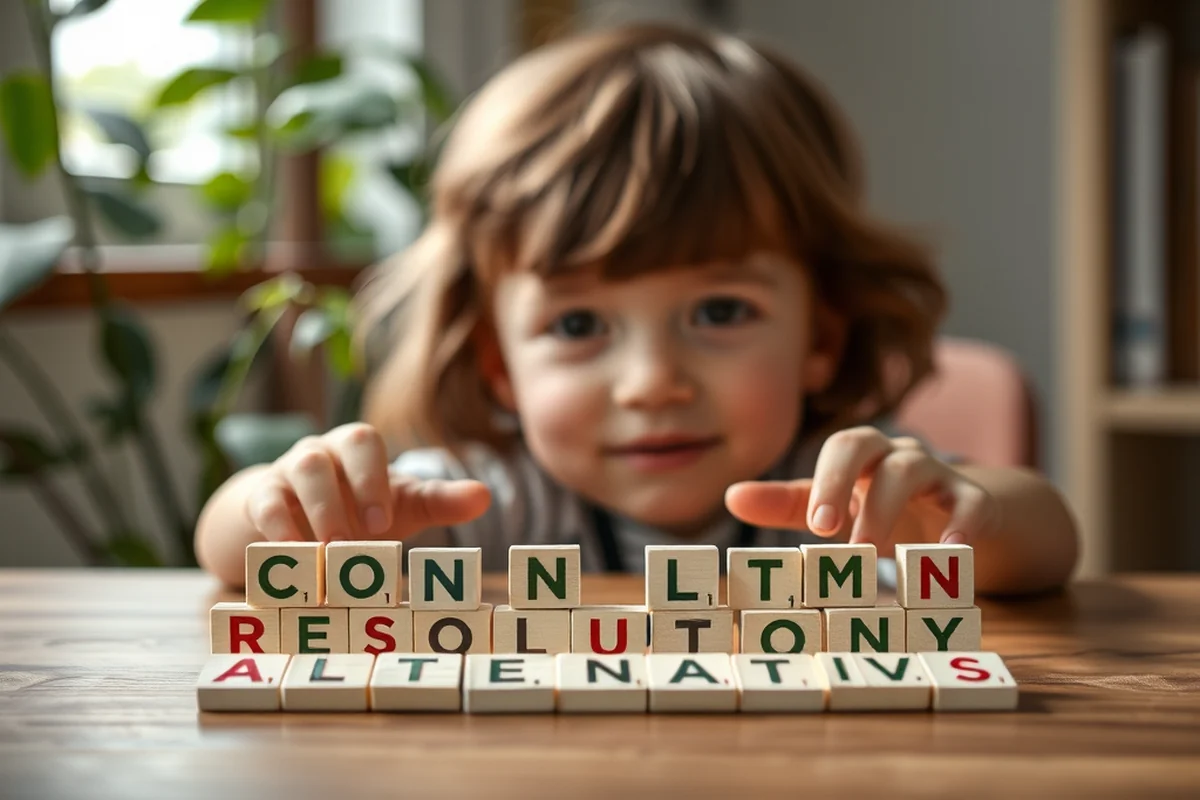
After reading a book that centers around a conflict, I often follow up with a role-playing activity. For example, if the book features a scenario where two friends are arguing over a toy, I'll ask the students to act out the situation. One child becomes the friend who wants the toy, and another becomes the friend who is already playing with it. This simple exercise allows students to step into the shoes of others, which is a powerful way to teach empathy and understanding. It's not just about acting—it's about feeling what the other person is feeling, which is the core of teaching conflict resolution through children's literature alternatives.
What makes role-playing so effective is that it's not just about repeating what the book says—it's about applying it. Students are learning to recognize the emotions of others, think about possible solutions, and practice communication in a real-time, low-pressure environment. I've noticed that the more they do this, the more confident they become in using resolution strategies. One student, who was once quick to lash out when upset, began to use phrases like 'I need a turn too' and 'Can we take turns?' These were not just words—they were the first steps to building better relationships and conflict resolution skills.
The lesson is clear: when students are given the opportunity to experience conflict in a safe, guided way, they learn more effectively than when they're just told what to do. Role-playing is a key component of teaching conflict resolution through children's literature alternatives, offering students a chance to practice real-life skills in a way that's both fun and meaningful.
Role-playing is the bridge between reading and living.
Related: Teaching conflict resolution to kids vs
Digital Media: A Modern Tool for Teaching Conflict Resolution
One of the most surprising tools I've used is interactive digital stories. There's an app called 'Emotionary' that allows students to explore different emotions and choose how a character might respond in a given situation. This kind of interactivity helps students think through the consequences of their actions in a way that a static book might not. It's a modern approach to teaching conflict resolution through children's literature alternatives, using technology to make learning more accessible and engaging.
I've also used short videos that show real-life scenarios, such as a child who is upset because another child took their pencil. The video includes a narrator explaining the emotions and then showing the characters working out the conflict. These videos are especially effective because they provide a visual model of how to handle conflict. I’ve seen my students pause the video, discuss what they saw, and then practice what they learned in their own lives. This is the power of digital media—it gives them a clear, relatable example of how to resolve conflict in a real-world context.
In my experience, students are more likely to engage with digital media than with traditional books, especially in today's tech-savvy world. It's not just about keeping up with trends—it's about meeting students where they are and using tools that can help them learn in the most effective way possible. Digital media is a valuable addition to the toolkit of teaching conflict resolution through children's literature alternatives, offering students a new way to see, feel, and understand conflict.
Pair digital media with books and role-playing to create a comprehensive learning experience. This reinforces the concepts through multiple formats.
“I remember the first time I watched a group of third graders argue over a single crayon.”— Teaching Conflict Resolution to Teens editors
Related: Types of conflict in literature
The Value of Poetry in Conflict Resolution
I once used a poem called 'The Peaceful Book' by David Wiesner to discuss the importance of finding peace in the middle of a conflict. The poem uses vivid imagery to show a child who is trying to find a peaceful solution to a disagreement. The language is simple, but the message is powerful. When I read the poem aloud, I noticed how the students were captivated by the rhythm and the imagery. It was as if they were seeing the world through the eyes of the character in the poem.
What I found most interesting was how students responded to the poem. One student asked, 'What does it mean to find peace in the middle of a fight?' Another said, 'Maybe you can just stop and take a breath.' These were not just questions—they were reflections on the theme of the poem. The poem had sparked a deeper conversation about what it means to be peaceful, not just in words but in actions. This kind of engagement is exactly what I aim for when teaching conflict resolution through children's literature alternatives: it's about making the learning experience personal and meaningful.
Poetry has a unique ability to capture the emotional depth of conflict in a way that is both accessible and powerful. It allows students to think about emotions and solutions in a way that's different from traditional books or digital media. When used effectively, poetry becomes a valuable tool in teaching conflict resolution through children's literature alternatives, helping students see the world in a more empathetic and thoughtful way.
Related: Teaching kids conflict resolution vs
The Role of Puppetry in Teaching Conflict Resolution
One of my favorite methods of teaching conflict resolution through children's literature alternatives is using puppets. I remember one day when I had a puppet that was clearly upset because another puppet had taken its ball. The children were immediately drawn into the story, asking questions like, 'Why is the puppet crying?' and 'How can we help?' This simple activity created a space for the students to think about the emotions of others and consider ways to resolve the conflict.
What I found most effective about puppetry was the level of engagement it created. The students were not just passive listeners—they were active participants in the story. They suggested ways the puppets could resolve the conflict, and they even practiced the solutions themselves. This kind of involvement helped them internalize the concept of resolution in a way that was both fun and meaningful.
Puppetry has a unique ability to make abstract concepts like conflict and resolution more concrete. It allows students to see the emotions of others in a way that's both visual and tactile. When used as part of teaching conflict resolution through children's literature alternatives, puppetry becomes a powerful tool for helping students understand and practice the skills they need to resolve conflict in real life.
Related: Teaching preschool children conflict resolution skills vs
Encouraging Student-Led Storytelling
I once asked my students to create their own stories about a time they had a conflict and how they resolved it. The results were amazing. One student wrote a story about a time she and her friend had a disagreement over who would be the leader of a game. She explained how they talked it out and decided to take turns leading. Another student created a story about two animals who had a disagreement over a tree, and they resolved it by making a new tree together.
This kind of student-led storytelling is a powerful way to teach conflict resolution through children's literature alternatives. It allows students to take ownership of their learning and apply what they've learned in a real, meaningful way. The stories they create are not just about conflict—they're about growth, empathy, and resolution. And the best part is that they're doing it all on their own.
The impact of this activity has been profound. Students who once struggled with conflict resolution are now using their own stories to teach others. They're sharing their experiences, learning from each other, and building a classroom culture that values understanding and respect. This is the true power of student-led storytelling in teaching conflict resolution through children's literature alternatives: it's not just about learning—it's about living.
When students tell their own stories, they learn the most.
Related: Teaching conflict resolution comparison
The Importance of Follow-Up Activities
After a lesson on conflict resolution through children's literature alternatives, I always make sure to include a follow-up activity. This could be a group discussion, a drawing activity, or even a role-play that allows students to practice what they've learned. These activities help reinforce the concepts and ensure that they're not just learning them in the moment, but applying them in real life.
For example, after reading a book about a conflict between two characters, I might ask the students to draw a picture of how they would resolve that conflict. This gives them a chance to think about solutions in a visual way. Another time, I might ask them to write a letter from the perspective of one of the characters, helping them understand the emotions and motivations behind their actions.
Follow-up activities are an essential part of teaching conflict resolution through children's literature alternatives. They help students apply what they've learned in a meaningful way and ensure that the skills they're developing are not just theoretical—they're practical and actionable. When students leave the classroom with a deeper understanding of how to handle conflict, that's the ultimate success of any lesson.
📖 Picture Book Discussion
Use picture books to spark discussion about emotions and conflict. Ideal for younger children and beginners.
🎭 Role-Playing Activity
Allow students to act out conflict scenarios, helping them understand perspectives and practice resolution strategies.
📱 Digital Media Exploration
Use interactive stories and videos to teach conflict resolution in a tech-friendly and engaging way.
🎭 Group Puppet Show
Create a group puppet show that explores conflict resolution, encouraging collaboration and creativity.
✍️ Student-Led Storytelling
Encourage students to create and share their own stories about conflict resolution, taking ownership of their learning.
| The mistake | Why it happens | The fix |
|---|---|---|
| Not allowing enough time for reflection. | If students don't have time to process what they've learned, the lesson may not stick. | Make sure to include a reflection period after each activity, whether it's a discussion or a drawing exercise. |
| Overlooking the emotional needs of the students. | Conflict resolution lessons are not just about logic—they're about understanding and managing emotions. | Be sure to create a safe, non-judgmental space where students feel comfortable expressing their feelings. |
| Not providing enough guidance during role-playing. | Without proper guidance, students may act out the conflict in a way that's not constructive or respectful. | Always set clear expectations before role-playing and provide a framework for how students should approach the activity. |
| Not following up with real-life application. | Conflict resolution is most effective when it's applied in real life, not just practiced in the classroom. | Encourage students to use what they've learned in their daily interactions, both in and out of school. |
Teaching Conflict Resolution Through Children'S Literature Alternatives
Common Questions
What age groups are these activities best for?
Do I need any special materials for these activities?
How long do these activities usually take?
Can these activities be done in a group setting?
References
- PDF Teaching Conflict Resolution Through Children'S Literature in ... (repository.upi.edu)
- ERIC - ED344976 - Conflict Resolution through Children's Literature ... (eric.ed.gov)
Cite this guide
Teaching Conflict Resolution to Teens (2026). Teaching Conflict Resolution Through Children'S Literature Alternatives. https://dialoguezone.com/teaching-conflict-resolution-through-children-s-literature-alternatives/
Feel free to cite or share this guide.