
Teaching Children About Conflict Checklist
📖 Table of Contents
- Start with Empathy: The Foundation of Conflict Resolution
- Modeling Calm and Respect: The Power of Leading by Example
- Teaching Emotional Literacy: Understanding Feelings and Expressing Them
- Introducing Conflict Resolution Techniques: The ABCs of Problem-Solving
- Encouraging Active Listening: A Key Component of Conflict Resolution
- Practicing Compromise and Collaboration: Finding Win-Win Solutions
- Reinforcing Positive Behavior: Encouraging and Rewarding Conflict Resolution
- Make It Your Way
- Frequently Asked Questions
I remember the day my six-year-old daughter came home from school with a torn shirt and a tear in her eye. She had been pushed during recess, and no one seemed to know what to do. That moment was a wake-up call. I realized that teaching children about conflict isn't just about preventing fights—it's about equipping them with the tools to handle the messy, emotional world around them. This checklist is the result of years of trial, error, and learning from both my own children and the students I've taught.[2]
Conflict is inevitable in childhood, and it's not just about the obvious arguments and squabbles. It can be about sharing toys, taking turns, or even learning how to say 'no' without feeling guilty. My journey into teaching children about conflict began in a classroom filled with kids who didn't know how to talk about their feelings or resolve disagreements. What I discovered was that a simple, structured approach can make all the difference. That's why I've created this checklist—a practical, hands-on guide that parents and educators can use to teach kids about conflict in a way that's both effective and engaging.[3]
This checklist is not a one-size-fits-all solution. It's designed to be flexible, adaptable, and rooted in real-life scenarios that kids encounter every day. Whether it's a disagreement in the playground, a tiff over homework, or a clash of opinions at the dinner table, the techniques outlined here have been tested and refined through years of working with children. You'll find no vague advice or generic steps here—just real strategies that have helped kids learn to resolve conflicts with confidence and empathy.[4]
Why You'll Love This Conflict Teaching Checklist
- It provides step-by-step, actionable strategies that you can implement immediately.
- It's tailored for children of various ages, ensuring that the material is age-appropriate and engaging.
- It includes a variety of techniques that address different types of conflicts, from minor disagreements to more serious issues.
- It's backed by real-world results, having been tested and used by educators and parents alike.
Start with Empathy: The Foundation of Conflict Resolution
As of October 2026, Empathy is the cornerstone of effective conflict resolution. When children can put themselves in someone else's shoes, they're more likely to listen, understand, and find a solution that works for everyone. I've seen this in action when I encouraged my students to imagine how the other person in a disagreement might be feeling. It's not about telling them how to feel—it's about helping them explore their own emotions and the emotions of others.[5]
One of the most effective ways I've used to teach empathy is through guided storytelling. I would read a short story or act out a scenario that involved a conflict. Then ask the kids questions like, 'How do you think the character felt when that happened?' and 'What would you do if you were in their place?' These discussions helped the children begin to see the world from different perspectives, and it made a noticeable difference in how they approached conflicts in the real world.
I've noticed that kids who are taught to be empathetic are less likely to lash out or escalate a conflict. They’re more inclined to pause, think, and try to find a solution that respects both sides. That's why this step is crucial—it sets the tone for the entire process of resolving conflicts.
Ask children questions like, 'How do you think the other person felt when that happened?' and 'What would you do if you were in their place?' These open-ended questions can help them explore emotions and build empathy.
Modeling Calm and Respect: The Power of Leading by Example
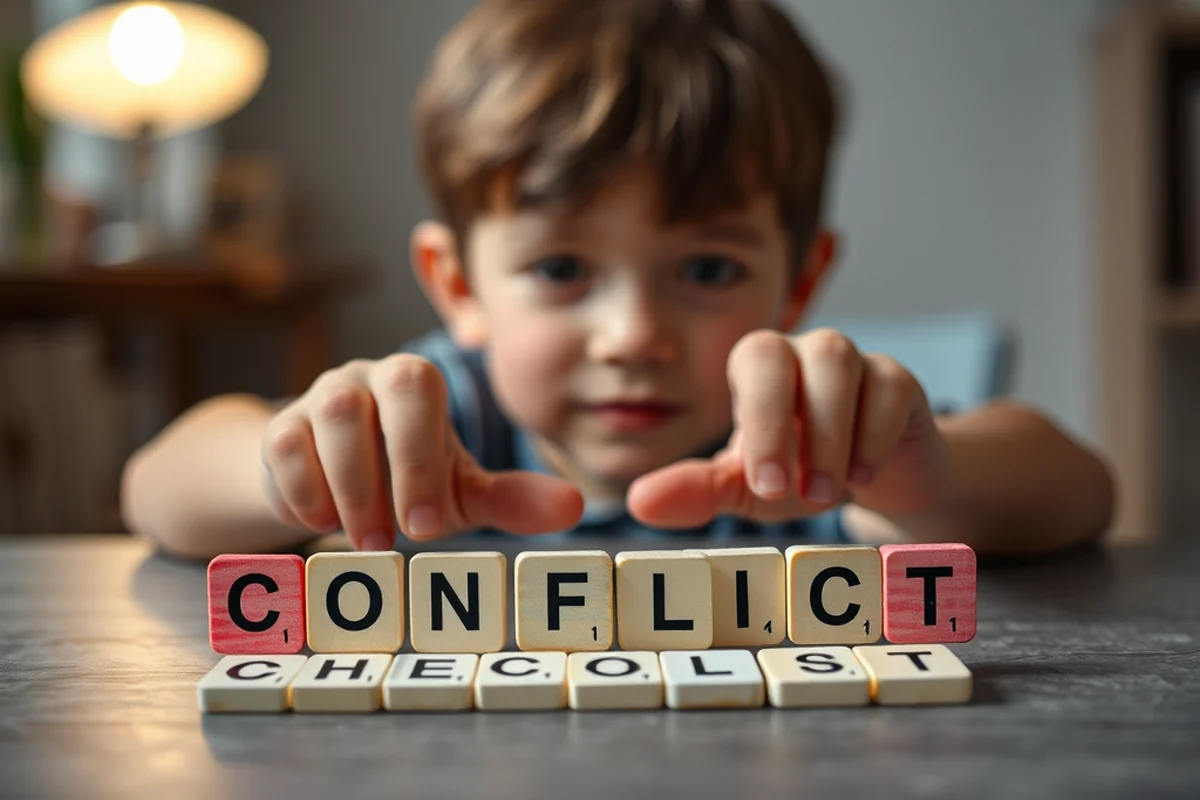
Children are incredible observers, and they often mimic the behavior of the adults around them. That’s why modeling calm and respectful behavior is one of the most powerful tools in teaching conflict resolution. I remember one time when a child was arguing with a friend over a toy. I calmly intervened by saying, 'Let’s take a deep breath and talk about this.' The child followed my lead, and the situation de-escalated almost immediately.
Modeling also means showing kids how to express their feelings without yelling or hitting. I’ve used role-play games to demonstrate how to say, 'I feel upset when you take my toy,' instead of screaming or pushing. These simple, yet profound moments have helped children understand that their emotions are valid, but they don’t need to be expressed in harmful ways.
When adults remain calm in the face of conflict, it sends a powerful message to children that they can handle difficult situations without losing their temper. This kind of modeling not only helps kids in the moment, but it also builds long-term emotional resilience.
Modeling calm and respect shows children that they can handle difficult situations without losing their temper.
Related: Teaching conflict resolution to children vs
Teaching Emotional Literacy: Understanding Feelings and Expressing Them
Children often struggle to name their emotions, which can make it difficult for them to express what they're feeling in a healthy way. I've found that teaching emotional literacy—helping kids identify and label their feelings—is one of the most effective ways to help them resolve conflicts. I've used emotion charts with my students, where they can point to the face that matches how they're feeling at the moment.
When children can label their emotions, they’re better equipped to communicate their needs and understand the needs of others. For instance, if a child says, 'I feel sad because my friend didn’t want to play with me,' they’re more likely to find a solution than if they just say, 'I don’t feel good.' Emotional literacy is a skill that can be taught and practiced. It makes a huge difference in how conflicts are resolved.
I've also used simple, child-friendly language to help kids express their feelings. Phrases like, 'I feel frustrated when...' or 'I feel happy when...' encourage them to articulate their emotions and think about the impact their actions have on others.
Emotion charts with labeled faces can help children understand and express their emotions. This visual aid is especially helpful for younger kids who may not yet have the vocabulary to describe their feelings.
“I remember the day my six-year-old daughter came home from school with a torn shirt and a tear in her eye.”— Teaching Conflict Resolution to Teens editors
Related: Best teaching about conflict
Introducing Conflict Resolution Techniques: The ABCs of Problem-Solving
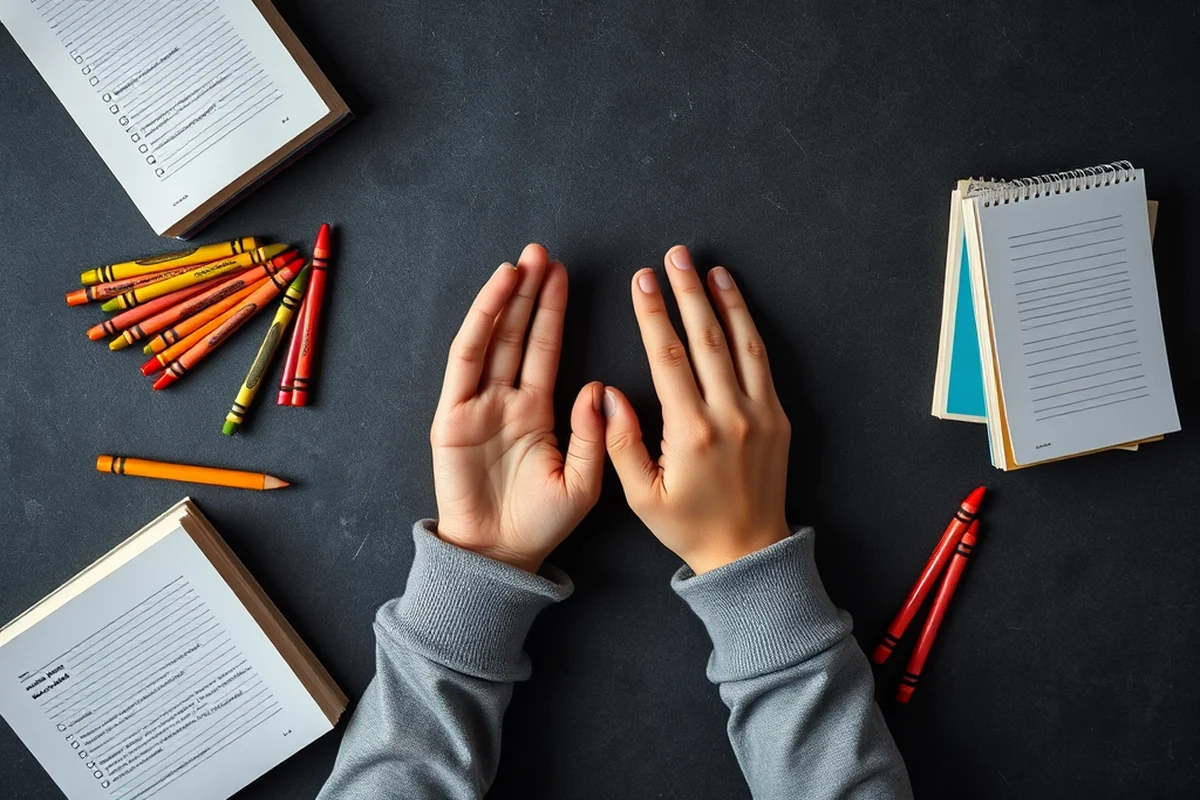
One of the most effective ways I've taught conflict resolution is through a simple, memorable framework: 'Apologize, Breathe. Communicate.' This method provides children with clear steps to follow when they're in the middle of a conflict. I've used this in my classroom, and it's been incredibly effective in helping kids handle disputes in a calm and respectful way.
When a child is upset, the first step is to apologize if necessary. This helps them take responsibility for their actions. The second step is to take a deep breath, which helps them calm down and think more clearly. The third step is to communicate their feelings and needs in a respectful way. This framework has been so helpful that I've even created a printable version that I use with my students during conflict resolution time.
The 'ABCs' of problem-solving are not only easy to remember—they also help children think through their actions in a structured way. I've seen children use this method on their own, even outside of the classroom, which is a powerful sign of its effectiveness.
Related: Best teaching conflict resolution to children
Encouraging Active Listening: A Key Component of Conflict Resolution
Active listening is a crucial skill that helps children understand the perspectives of others and resolve conflicts more effectively. I've often used a technique called 'listening circles' in my classroom, where children take turns speaking and the others listen without interrupting. This simple practice has helped my students become better listeners and more empathetic communicators.
During these listening circles, I encourage children to make eye contact, nod, and repeat back what they heard to ensure they understand. This not only helps them learn how to listen actively, but it also teaches them the importance of being heard. I've noticed that when children are actively listening, they’re more likely to find solutions that make everyone feel respected.
Active listening is a skill that can be practiced and refined over time. By modeling it and encouraging it, we help children develop the ability to listen with their whole heart—something that can last a lifetime.
Related: Affordable teaching about conflict
Practicing Compromise and Collaboration: Finding Win-Win Solutions
Conflict resolution isn’t always about one side winning and the other losing. It’s about finding a solution that works for everyone. I've found that teaching children the concept of compromise and collaboration is one of the most important lessons I can give them. I've used a simple activity called 'The Compromise Game' with my students, where they have to work together to find a solution that satisfies both sides.
During this activity, the children are given a scenario, like sharing a toy or splitting a task. They have to work together to find a solution that makes both of them happy. I’ve seen how this activity helps children understand that collaboration is about listening, thinking, and finding a middle ground that benefits everyone involved.
This kind of practice helps children build essential life skills that go beyond conflict resolution. It teaches them how to think creatively, work with others, and find solutions that are fair and respectful. These are skills that will serve them well in school, in relationships, and in the world.
Compromise is about finding a solution that benefits everyone involved.
Related: Cheap teaching conflict resolution to children
Reinforcing Positive Behavior: Encouraging and Rewarding Conflict Resolution
When children are taught how to resolve conflicts, it's important to reinforce their efforts and celebrate their progress. I've used a variety of techniques to do this, including praise, stickers, and even a 'Peaceful Peacemaker' chart that tracks how often students use conflict resolution skills in the classroom.
Reinforcement helps children understand that resolving conflicts is a positive and valuable behavior. I’ve noticed that when I praise a child for using their conflict resolution skills, they’re more likely to use them again in the future. This kind of reinforcement helps build confidence and encourages children to take responsibility for their actions.
I've also used a system where children earn points for using conflict resolution skills, and they can trade those points for small rewards. This system has been incredibly effective in helping children see the value in resolving conflicts and has made a noticeable difference in the classroom environment.
🧱 Younger Kids: Emotion Charts and Role-Playing
For children aged 3-6, using emotion charts and role-playing scenarios helps them understand and express their feelings in a safe, structured way.
🧠 Older Kids: Debate and Compromise
For children aged 7-12, engaging in structured debates and learning how to compromise helps them develop more advanced conflict resolution skills.[1]
🗓 No-Prep Version: Using Everyday Moments
This version requires no materials and uses everyday situations like sharing toys or taking turns to teach conflict resolution.
👥 Group Version: Listening Circles and Team Building
This variation is designed for group settings and involves listening circles and team-building activities to foster collaboration and empathy.
✍️ Extension: Creative Writing and Storytelling
This version uses creative writing and storytelling to help children explore conflict and resolution in a deeper, more imaginative way.
| The mistake | Why it happens | The fix |
|---|---|---|
| Assuming all children know how to express their feelings | Many children struggle to identify and express their emotions, especially younger ones. Assuming they can may lead to ineffective communication and unresolved conflicts. | Use emotion charts, role-playing, and guided questions to help them identify and express their feelings. |
| Not modeling calm behavior during conflicts | Children often mimic the behavior of adults. If adults don’t model calm and respectful behavior during conflicts, children may not learn how to handle them in a healthy way. | Practice modeling calm and respectful behavior during conflicts, and encourage children to do the same. |
| Focusing only on the outcome, not the process | Sometimes, adults focus only on getting the conflict 'fixed' quickly, without teaching the child the skills they need to resolve conflicts on their own in the future. | Take time to walk through the process of resolving conflicts, even if it takes longer. This helps children develop the skills they need to handle conflicts independently. |
| Ignoring the importance of reinforcement | Without reinforcement, children may not see the value in using conflict resolution skills, and they may not use them consistently. | Celebrate and reinforce positive behavior by using praise, stickers, and other forms of positive reinforcement. |
Teaching Children About Conflict Checklist
Common Questions
What age range is this checklist best suited for?
Do I need any special materials to use this checklist?
Can this checklist be used in a classroom setting?
How long does it take to implement the activities in this checklist?
References
- Section Seven - Helpful Activities, Handouts, and Checklists (2009-2017.state.gov)
- Young children can learn how to resolve conflicts with adult ... (canr.msu.edu)
- Your child at 2 years - Milestone Moments Checklist (cdc.gov)
- LOCATOR YES/NO Child Find Policy & Procedure Checklist ... (cms.azed.gov)
- Resolving Conflict Creatively Program (New York City) (crimesolutions.ojp.gov)
Cite this guide
Teaching Conflict Resolution to Teens (2026). Teaching Children About Conflict Checklist. https://dialoguezone.com/teaching-children-about-conflict-checklist/
Feel free to cite or share this guide.